
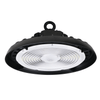
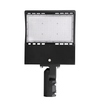


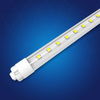

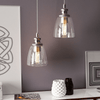
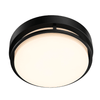
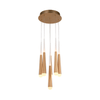




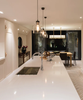


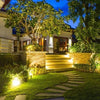
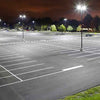














Evenings often begin quietly outside. The sky dims. Corners fade. Walkways blur into shadows. That is when lighting begins to shape how a space is used and perceived. Outdoor lighting goes beyond simple brightness. It shapes safety, movement, and comfort across every outdoor area.
That is why outdoor lighting choices should never feel rushed. Different spaces demand different light behavior. Open areas need wide coverage. Walls need focused output. Pathways need guidance, not glare. Decorative areas need balance, not distraction.
This guide brings everything together. It explains outdoor LED lighting by application, not confusion. It works for commercial sites, industrial grounds, and residential properties alike. Each section connects lighting purpose with real outdoor needs, making decisions easier from the start.
Why Outdoor LED Lighting Needs a Clear Plan
 Before choosing fixtures, it helps to step back. Outdoor spaces vary more than indoor rooms. Some need height. Others need direction. Many need restraint. Planning helps avoid dark zones and harsh lighting.
A clear plan supports:
-
Better visibility across large spaces
-
Safer movement around buildings
-
Comfortable lighting along paths
-
Controlled light where design matters
When lighting matches its application, outdoor spaces work better every day.
Lighting for Open Outdoor Areas
 Large outdoor areas require light that travels far and stays consistent. These spaces often deal with movement, equipment, and safety needs. Therefore, high-output fixtures play a key role here.
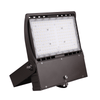
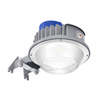
LED pole lights often serve as the backbone for wide spaces. They spread light evenly across parking lots and yards. Meanwhile, LED flood lights help fill open zones where flexible aiming matters. Together, they reduce dark patches.
LED barn lights suit large exterior walls and rural settings. They provide strong forward light without excessive glare. In addition, LED solar lights support open areas where wiring is limited. They work well in yards and perimeter zones. LED work lights, on the other hand, support temporary tasks in construction zones.
Common use cases include:
-
Parking lots and loading zones
-
Warehouses and storage yards
-
Open commercial spaces
-
Construction areas
Because these spaces stay active, consistent outdoor LED lighting improves safety and workflow.
Building-Mounted & Covered Area Outdoor Lighting
 Walls and covered spaces demand control. Light must stay focused while avoiding spill. Therefore, fixture placement matters as much as output.
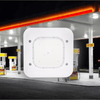
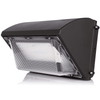
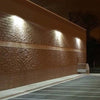
LED wall packs offer direct lighting along building exteriors. They help secure entrances and service areas. LED canopy lights work well under covered zones like gas stations and parking garages. They deliver even light without harsh shadows.
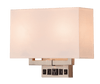
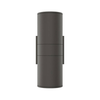
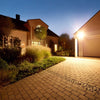
Outdoor wall sconces add balanced light near doors and walkways. They guide movement without overpowering the area. Up and down lights highlight vertical surfaces and help limit glare.
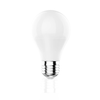
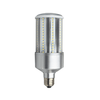
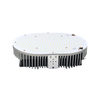
When upgrading older fixtures, retrofit kits and LED corn bulbs simplify replacement. They fit existing housings while improving efficiency. This makes them ideal for replacing HID fixtures without changing structure.
These solutions suit:
-
Building exteriors and entrances
-
Covered parking areas
-
Gas stations and drive lanes
-
Garage and service zones
With proper planning, building-mounted outdoor LED lighting improves safety and clarity.
Pathway, Landscape & Low-Level Outdoor Lighting
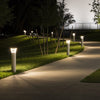
 Paths and landscapes need subtle lighting. Too much brightness can distract. Too little can cause risk. Low-level fixtures help guide movement while keeping spaces calm.
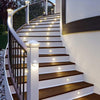
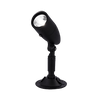
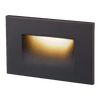
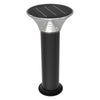
Step lights support safe movement on stairs and level changes. They mark edges clearly without glare. Spot lights help highlight landscape features while maintaining control. Solar bollard lights define borders along walkways and gardens.
LED solar lights also work well in paths where wiring proves difficult. They collect power during the day and give light at night. For this reason, they fit both residential and commercial areas.
Typical applications include:
-
Walkways and outdoor paths
-
Gardens and planted areas
-
Staircases and steps
-
Perimeter borders
LED outdoor lighting at low levels promotes comfort and safe mobility.
Decorative, Accent & Architectural Outdoor Lighting
 Some outdoor spaces need more than function. They need character. Decorative lighting adds visual depth without overpowering structure.
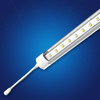
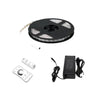
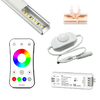
LED strip lights work well along edges and surfaces. Strip light kits simplify installation and ensure uniform output. LED neon light adds visual interest to signage and accent walls. It draws attention without harsh brightness.
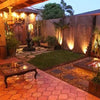
Spot lights highlight textures and architectural features. They help focus attention where needed. Up and down lights frame walls and facades with controlled light patterns.
These lighting types suit:
-
Building facades
-
Signage and branding areas
-
Outdoor seating spaces
-
Accent walls and structures
When used with restraint, decorative outdoor LED lighting enhances visual flow.
How All Outdoor Lighting Types Work Together
 Outdoor spaces rarely rely on one lighting type. Instead, they benefit from layers. High-output lights handle coverage. Wall-mounted fixtures guide movement. Low-level lights support safety. Accent lighting adds depth.
By combining these layers, outdoor areas feel balanced. Light reaches where it is needed. Shadows stay controlled. Energy stays efficient. This approach suits residential, commercial, and industrial spaces.
Conclusion
Typically, outdoor lighting performs better when each fixture has a distinct function. This guide assists in connecting lighting selections to the real-world daily usage of outdoor areas. With proper planning in place, outdoor areas feel safer, easier to see, and more practical to move through.
Frequently Asked Questions
Q: How do I choose the right outdoor LED lighting for my space?
A: Start by looking at how the area is used. Open spaces need wider coverage, while paths and walls need controlled light. Matching the fixture to the purpose avoids glare and dark spots.
Q: Can different outdoor LED lights be used together in one project?
A: Yes. Most outdoor spaces work better with more than one lighting type. High-output lights handle coverage, while wall and low-level lights support movement and safety.
Q: Are solar outdoor LED lights reliable for daily use?
A: Solar lights work well in areas with good daylight exposure. They suit walkways, borders, and places where wiring is difficult, but output depends on sun availability.
Q: When should retrofit kits or LED corn bulbs be used outdoors?
A: They are useful when upgrading older fixtures. Retrofit options help replace HID or metal halide lamps without changing the existing housing.
Q: Does outdoor LED lighting differ for residential and commercial spaces?
A: The purpose stays similar, but scale changes. Commercial spaces often need higher output, while residential areas focus more on controlled and comfortable lighting.