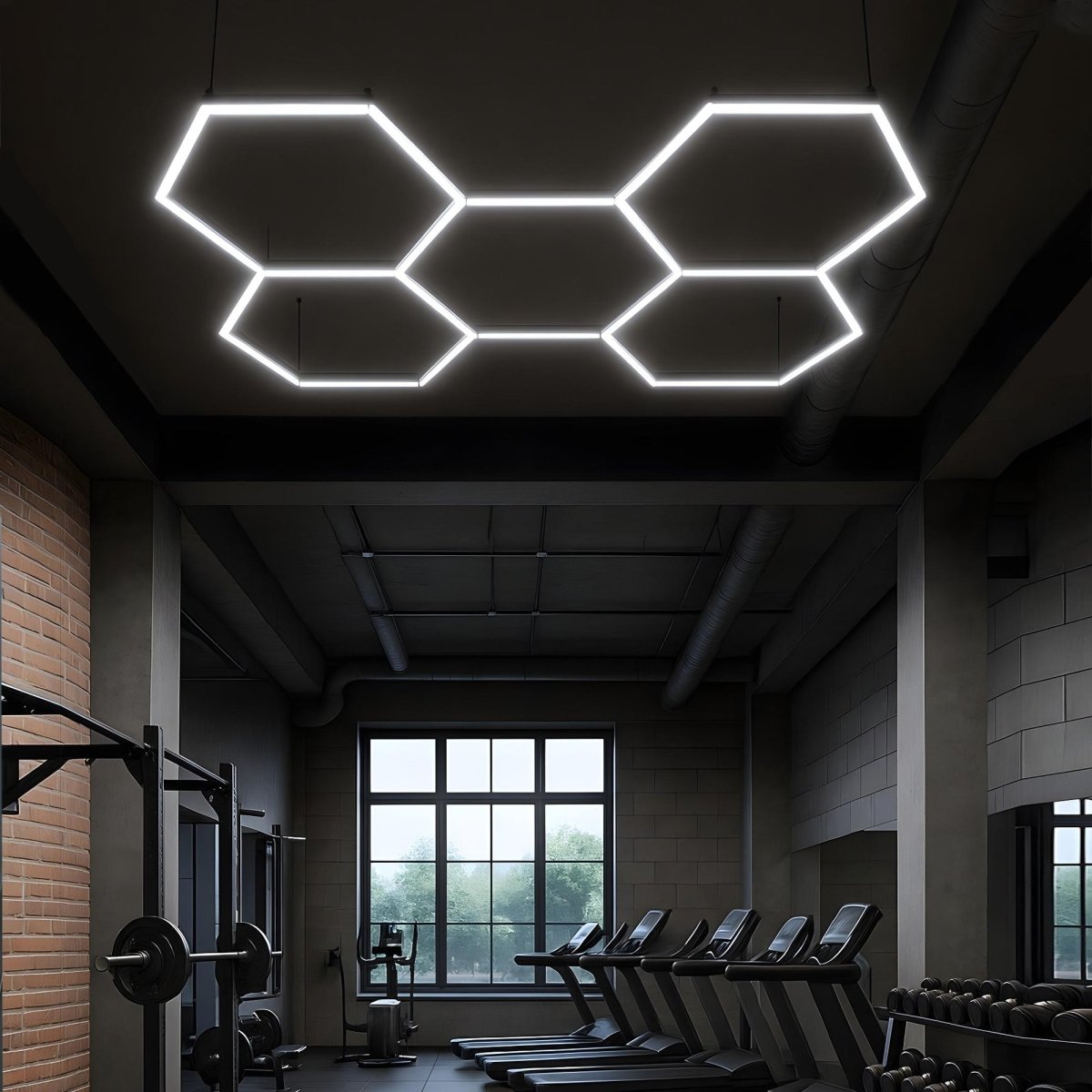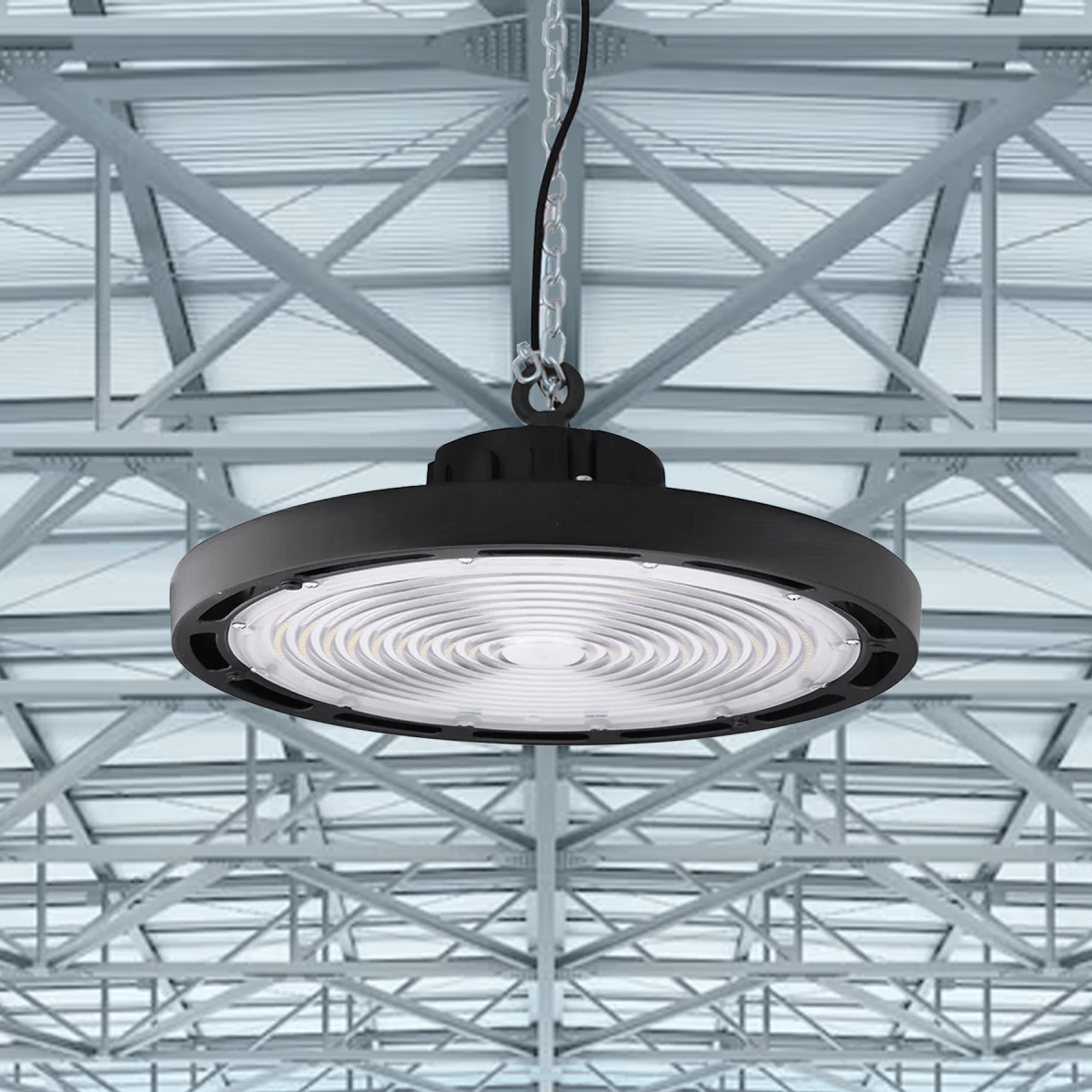


A garage can look bright near the door and still leave your workbench in shadow. One ceiling bulb may work for parking, but not for detailed jobs.
Good workshop lighting is about putting useful light where you need it. LED Tube Lights and LED Integrated Tubes are popular for garages because they can spread light across long work areas without taking up much ceiling space.
Start With the Work You Do
 Every garage may not require the same type of lighting solution. A storage area will have other requirements compared to a workshop used for doing woodwork, mechanics, painting, or working with tools.
The areas where you measure, cut, drill, paint, or repair require more light than the open floors of the garage.
General lighting is required to give uniform lighting in the room, followed by spotlights on the benches, tools, or machinery to reduce shadows.
The shop lights may be arranged to operate on the benches and garage bays.
How Many Lumens Do You Need?
 Lumens measure visible light output, so they are more useful than wattage when comparing LEDs.
A basic garage may need around 50 lumens per square foot, while active workshop areas often need more. Benches and precision zones usually benefit from stronger task lighting than parking areas. Current garage-lighting guides commonly suggest higher light levels where detailed work happens.
This is a rough calculation for determining the number of lumens required. This will then be divided into several fixtures rather than using just one light source.
Is 5000K Good for a Workshop?
 The effect of light color temperature on your room's look and vision.
Color temperature must fall between 4000K to 5000K for workshops and garages. 4000K color temperature is not as bright as 5000K color temperature. Normally, 5000K is recommended close to workstations in workshops and automobile repair workshops.
Use matching fixtures near your workstation.
Check the CRI Too
 CRI, or Color Rendering Index, shows how naturally colors appear under a light.
An 80 CRI is sufficient for many common tasks done in workshops. However, those dealing with paints, stains, wiring, coloring, or any other similar task may want to have more CRI.
LED Integrated Tubes or LED Tube Lights?
 LED Integrated Tubes combine the light source and housing into one unit. They can be useful for a new installation where you want rows of linear light.
In the case where you have suitable fixtures or when you would like to replace your old lighting system, then LED Tube Lights could be a better choice for you.
When comparing fixtures, look at:
-
Fixture length and lumen output
-
Linkable or hardwired setup
-
Mounting height and spacing
-
Color temperature and CRI
-
Damp-location rating when needed
-
Warranty and safety certifications
LEDMyPlace Buyer's Guide for Garage Lighting
 Start by measuring the garage. Mark places where benches, racks, parking bays, and equipment can cause shadows. Calculate your total lumens requirements and determine how to position additional workbench lighting.
While shopping on LEDMyPlace, consider light output, watts, CCT, CRI, fixture size, mount type, volts, and certifications. In cases of big workshops or business areas, Commercial LED Lighting may have solutions for you as well.
Using separate switches and sensors can be another way of controlling lighting in each area.
If you are comparing garage lights LED options, do not buy on wattage alone. Similar wattages can produce different lumen levels and beam patterns.
Plan the Lighting Layout First
 Avoid placing every light directly behind where you stand. Your body can cast a shadow across the bench. Instead, arrange lights so important work areas receive light from more than one direction.
Run linear fixtures along long benches where possible. Add task lighting under shelves or cabinets if overhead light cannot reach the surface well.
One more check is glare. A light can be bright but not comfortable to use if the light source is directly in the view of the user. Diffused linear fixtures are useful in reducing glare, particularly in benches. Also check whether doors, shelving, or a raised vehicle may block the beam. Small layout changes before installation can prevent dim pockets and make the finished garage feel more balanced during everyday work.
In larger garages, use zones to spread LED shop lights evenly and avoid dark edges.
Do Not Forget Energy Efficiency
 Energy use matters in garages that stay lit for hours. According to the U.S. Department of Energy, LED bulbs consume significantly lower amounts of electricity compared to incandescent bulbs and have a longer lifetime.
Look at lumens per watt to measure the efficiency of the luminaires.
When it comes to commercial projects, you should take into consideration that many utility efficiency programs use the DLC-qualified products list.
Choose Light for the Job
Measure your room size, layout your workspaces, calculate the lumens, and confirm CRI and color temperature specifications before purchasing any lights. Afterward, select lights that distribute light without darkening benches, corners, or tool areas.
LED Tube Lights, integrated linear fixtures, or mixed task lighting can all work when the layout matches the job.
LEDMyPlace offers lighting options for garages, workshops, and commercial spaces. Compare the specifications that fit your setup, plan the layout first, and choose lighting around the work you actually do.
Frequently Asked Questions
Q. What lighting is best for a garage workshop?
A: LED Tube Lights and linear shop lights work well because they spread light across wider areas. Choose the lumen output based on your garage size and work type.
Q. Is 5000K good for garage lighting?
A: Yes. 5000K gives a bright daylight-like tone that helps with repairs, tool work, and detailed tasks.
Q. How do I reduce shadows on a workbench?
A: Use more than one light source around the bench. Overhead fixtures plus task lighting can give better coverage.
Q. Are LED Integrated Tubes good for workshops?
A: Yes. LED Integrated Tubes can provide even linear light and work well over benches, storage areas, and garage bays.
Q. What should I check before buying garage LED lights?
A: Check lumens, CRI, color temperature, fixture size, damp rating, warranty, and UL or ETL certification.