
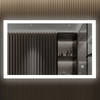


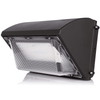
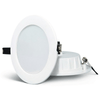

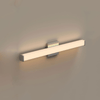




































Some outdoor spaces feel finished after sunset. After dark, some outdoor areas still work well. Others feel uneven. The location of the light frequently makes a difference. The goal of outdoor lighting is not to overpower the area. It should simply help people move, see surfaces, and use the space at night.
The functions of architectural, accent, and decorative outdoor lighting vary. They work better when planned together. This section examines their use in walkways, covered places, and open regions. Additionally, it describes how they work with a broader outdoor lighting scheme.
Selecting the ideal light for each outdoor requirement is the main goal of A Complete Guide to Outdoor LED Lighting for Every Application. By describing how architectural, accent, and decorative lights work with actual outdoor schemes, this section expands on that concept.
How These Outdoor Lighting Types Are Used
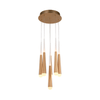
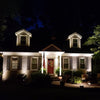
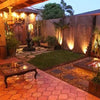
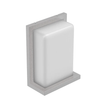
 Decorative outdoor lighting is mainly about how things look. It adds detail without taking over the space. Accent outdoor lighting points light where it is needed. Architectural outdoor lighting focuses on walls and structure.
Each type has a job. They don't function well by themselves. Outdoor areas feel more cohesive when used in pairs.
Key Roles These Lighting Types Play
-
They guide movement after dark.
-
They highlight surfaces and edges.
-
They support safety without harsh glare.
-
They add depth to open areas.
Because of this, these lighting styles support both function and comfort.
High-Output Outdoor Lighting for Large & Open Areas
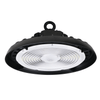
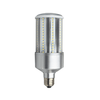
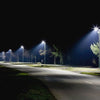
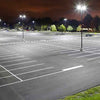
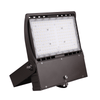
 Large outdoor areas need clear light. Parking zones, yards, and open commercial spaces rely on high-output outdoor lighting at night. Brightness alone does not always work. That is where decorative and architectural elements step in.
High-output fixtures handle visibility. Decorative outdoor lighting softens how the area looks. Architectural lighting works with boundaries and surfaces. When both are used, large outdoor spaces feel more controlled instead of bare.
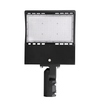
For example, pole lights can light wide areas. Wall-mounted accents can reduce shadows near buildings. Structural lighting can frame entrances and edges.
How These Lighting Types Support Open Areas
-
High-output lights handle wide coverage.
-
Accent outdoor lighting reduces visual gaps.
-
Architectural outdoor lighting outlines buildings.
As a result, large spaces feel easier to navigate without overwhelming the eye.
Building-Mounted & Covered Area Outdoor Lighting
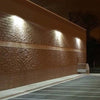
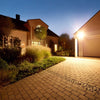
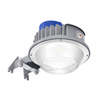
 Covered outdoor areas need even lighting. Porches, loading bays, and overhangs often end up with dark spots. Building-mounted fixtures help fix this when they are placed properly.
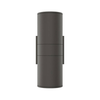
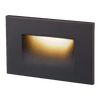
Architectural outdoor lighting works well here. It works along walls and near entrances. Decorative outdoor lighting keeps the space from feeling cold. Accent outdoor lighting helps cover darker spots.
In covered spaces, light reflects off nearby walls and ceilings. Glare becomes noticeable. Fixtures should spread light out instead of focusing it in one spot.
Common Covered Area Lighting Needs
-
Clear visibility near doors.
-
Even light under roofs.
-
Soft transitions between indoors and outdoors.
When these needs align, covered areas feel practical and calm after dark.
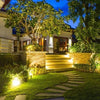
Pathway, Landscape & Low-Level Outdoor Lighting
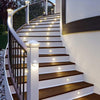
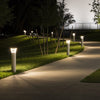
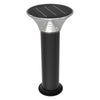
 Pathways and landscapes require restraint. When light is too bright, details start to disappear. Low-level outdoor lighting works better for walkways and still feels easy on the eyes.
Accent outdoor lighting works well near steps and edges. Decorative outdoor lighting adds subtle interest along paths. Architectural outdoor lighting supports nearby structures without pulling focus away from the ground.
These fixtures often sit closer to eye level or below. Because of that, placement matters more than power. Light should guide movement, not distract from it.
Benefits of Low-Level Lighting
-
Clear walking paths at night.
-
Reduced glare near eye level.
-
Better depth and contrast.
As a result, outdoor spaces stay safe without feeling harsh.
How These Lighting Types Work Together
 Outdoor lighting works best when layers overlap. High-output outdoor lighting handles scale. Decorative outdoor lighting manages visual comfort. Accent outdoor lighting directs attention. Architectural outdoor lighting shapes the environment.
When one layer is missing, the space feels incomplete. For example, bright lights without accents can feel flat. Decorative fixtures without structure can feel random.
Planning all lighting types together avoids these problems. It also reduces the need for excessive brightness.
A Balanced Outdoor Lighting Plan Includes
-
Coverage lighting for visibility.
-
Focused lighting for detail.
-
Structural lighting for form.
This multi-layered strategy keeps outdoor areas usable and welcoming.
Conclusion
Each outdoor lighting type has a specific role. They work better when planned together. Large outdoor areas still need high-output outdoor lighting for clear visibility. Covered spaces rely on building-mounted fixtures for balance. Pathways need low-level outdoor lighting for guidance.
When these elements connect, outdoor areas feel planned instead of pieced together. Lighting stays where it is needed. Glare stays under control. Spaces remain clear after dark.
When these lighting types support each other, planning outdoor lighting feels more straightforward.
Frequently Asked Questions
Q: How do I choose between decorative, accent, and architectural outdoor lighting?
A: Start with how the space is used. Decorative lighting adds visual detail. Accent lighting highlights specific spots. Architectural lighting works with walls and structure. Most outdoor areas need a mix of all three.
Q: Can decorative outdoor lighting be used in large open areas?
A: Yes, but it should support brighter fixtures. Decorative outdoor lighting works best when it softens wide spaces instead of trying to light them fully on its own.
Q: Where does architectural outdoor lighting work best?
A: Architectural outdoor lighting works well on walls, entrances, and building edges. It helps define structure and keeps outdoor spaces from feeling flat at night.
Q: Is low-level outdoor lighting enough for pathways?
A: Low-level outdoor lighting works well for walkways and paths. It keeps areas usable without causing glare. Brighter lighting is usually not needed in these spots.
Q: Should outdoor lighting be planned all at once or added later?
A: Planning outdoor lighting together works better. When lighting types support each other, fewer fixtures are needed, and the space feels more balanced after dark.