



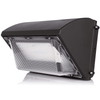





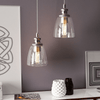
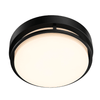
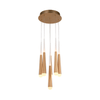
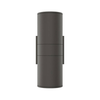










































Sometimes a room feels nice without doing anything special. You sit there and it just works. Other times, even after setting everything right, it still feels a bit off. Most people think it is the furniture. But in many cases, it is actually the lighting.
Lighting does not shout. It quietly changes how a space feels. Because of that, using the right Residential Lighting Ideas makes a bigger difference than expected. It is not about adding more lights. It is about placing them better.
At the same time, you cannot plan one room and ignore the rest. When you look at Indoor Lighting for Every Room, things start to connect. That is where practical Home Lighting Solutions help. They bring some consistency across the house.
Also, when you follow Residential Lighting Ideas for Every Room in Your Home, everything starts to feel linked together. Not in a forced way. Just naturally.
What Actually Helps Living Room Lighting

-
One light is never enough
-
Corners should not stay dark
-
Soft light matters as much as bright light
-
Placement is more important than number
-
Light should match how you use the space
These things sound basic. But they change the whole feel of a room.
How to Set Up Lighting That Works Well in Living Rooms

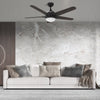
Living rooms are never used for just one thing. Sometimes you sit quietly. Sometimes the TV is on. Sometimes people gather. Because of that, lighting needs to adjust.
Start simple. Ceiling lights or recessed lights cover the whole area. They make sure the room is visible. But honestly, that alone feels flat.
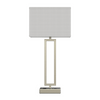
So, add another layer. A floor lamp near the sofa works better than expected. It gives focused light without disturbing the whole room. Table lamps also help, especially in the evening.
Then comes the part most people skip. You can also add a couple of small lights on the wall or shelves. They help the room feel less flat. Without them, everything can look a bit plain.
When all this comes together, the room does not feel “bright.” It just feels right. That is where Residential Lighting Ideas start making sense.
Lighting Ideas That Feel Right for Bedrooms
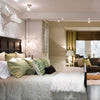
 Bedrooms need a softer approach. Bright light does not really belong here.
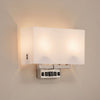
Wall sconces near the bed work well. They give enough light for reading, but they do not spread everywhere. That makes a big difference at night.
At the same time, small lamps or simple fixtures create a calm effect. Nothing too strong. Nothing too sharp. Because of this, the space feels easier to relax in.
Overhead lights can still be there. But they should not be the main focus. Many Home Lighting Solutions now lean toward warmer tones in bedrooms.
While setting up lighting at home, keep bedrooms calm and a little dim.
What Kind of Lighting Works Best in Kitchens
Kitchens are different. Here, you actually need to see things clearly.
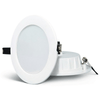
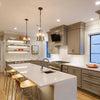
Downlights or recessed lights are common for a reason. They spread light evenly. So, you do not end up with dark spots while working.
But even then, shadows can still show up. That is where under-cabinet lighting helps. It lights up the counter directly. Because of this, cutting and cooking feel easier.
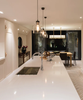
Pendant lights also help in some areas. Especially above counters or islands.
Kitchens need brighter setups. Even then, it should feel easy on the eyes. Good lighting keeps the space useful without making it too strong.
Choosing Lighting That Fits Bathroom Needs
 Bathrooms are more about function than anything else. You need clear light.
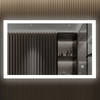
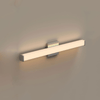
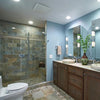
LED vanity mirrors are usually the best option. They give direct light where it is needed. That helps with daily routines.
At the same time, ceiling lighting fills the rest of the space. So, nothing feels too dark. Side lighting near mirrors can also help reduce shadows.
Because of this, the space works better overall. Good Home Lighting Solutions in bathrooms focus on clarity first.
Lighting Setup for Hallways and Entry Areas That Feels Balanced

Hallways are often ignored. But they connect everything.
Recessed lights work well here. They keep the area evenly lit without making it too bright. Wall lights can also add a slight layer without overdoing it.
Entry areas should feel simple. Not too bright. Not too dull. Because of this, the space feels more welcoming.
When working on Indoor Lighting for Every Room, these areas help maintain flow across the home.
A Small and Important Information
 Lighting does not work alone. It interacts with surfaces around it.
In fact, Residential Lighting Ideas for Every Room in Your Home also connect with things like flooring and wall colors. Light reflects differently on each surface. Because of this, the same light can feel different in two rooms.
This small detail often gets missed. But it changes the final result.
Simple Changes That Actually Help
-
Add one extra light instead of increasing brightness
-
Use warm tones where you relax
-
Spread lights instead of placing them in one spot
-
Keep task lighting close to where you need it
-
Try dim lighting in the evening
These changes are small. But they improve the space more than expected.
Conclusion
When lighting is good, you usually don’t think about it. But they feel it.
Good Residential Lighting Ideas are not about making a space brighter. They are about making it easier to live in. At the same time, simple Home Lighting Solutions keep things practical.When you plan Indoor Lighting for Every Room, everything starts to feel more connected. And that is what makes a home comfortable in the long run.
Frequently Asked Questions
Q. What type of lighting works best in living rooms?
A: A mix works best. Use ceiling lights for overall brightness and add lamps for comfort. This keeps the space balanced.
Q. How can I make bedroom lighting feel more relaxing?
A: Keep it soft. Use wall lights or small lamps. Avoid very bright or harsh lighting.
Q. Why is kitchen lighting usually brighter?
A: Because you need clear visibility. Cooking and cleaning require even and direct light.
Q. Are LED mirrors good for bathrooms?
A: Yes, they give clear light for daily use. They also reduce shadows on the face.
Q. How do I improve lighting without changing everything?
A: Add a lamp or two. Spread lights across the room instead of using one source.