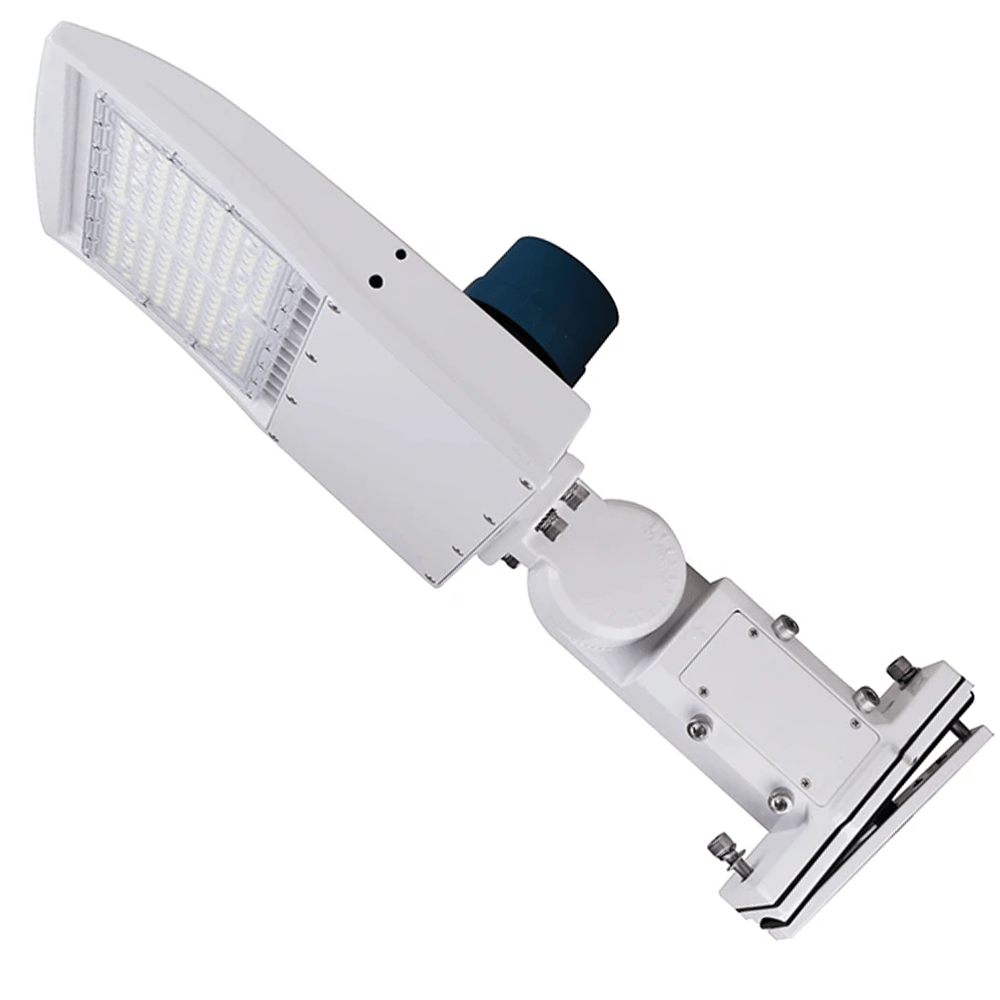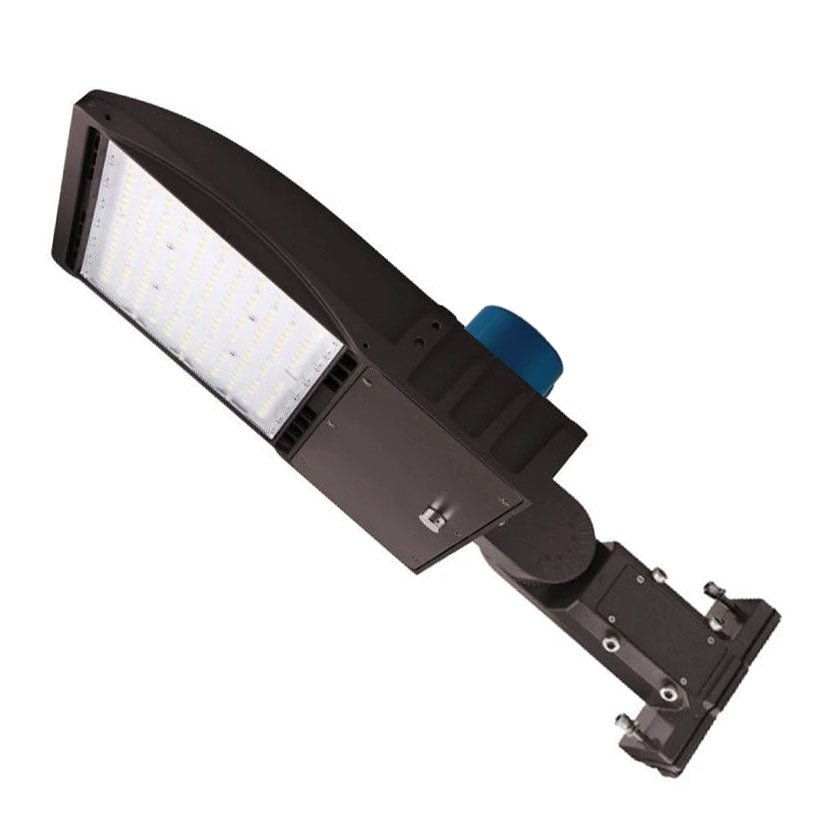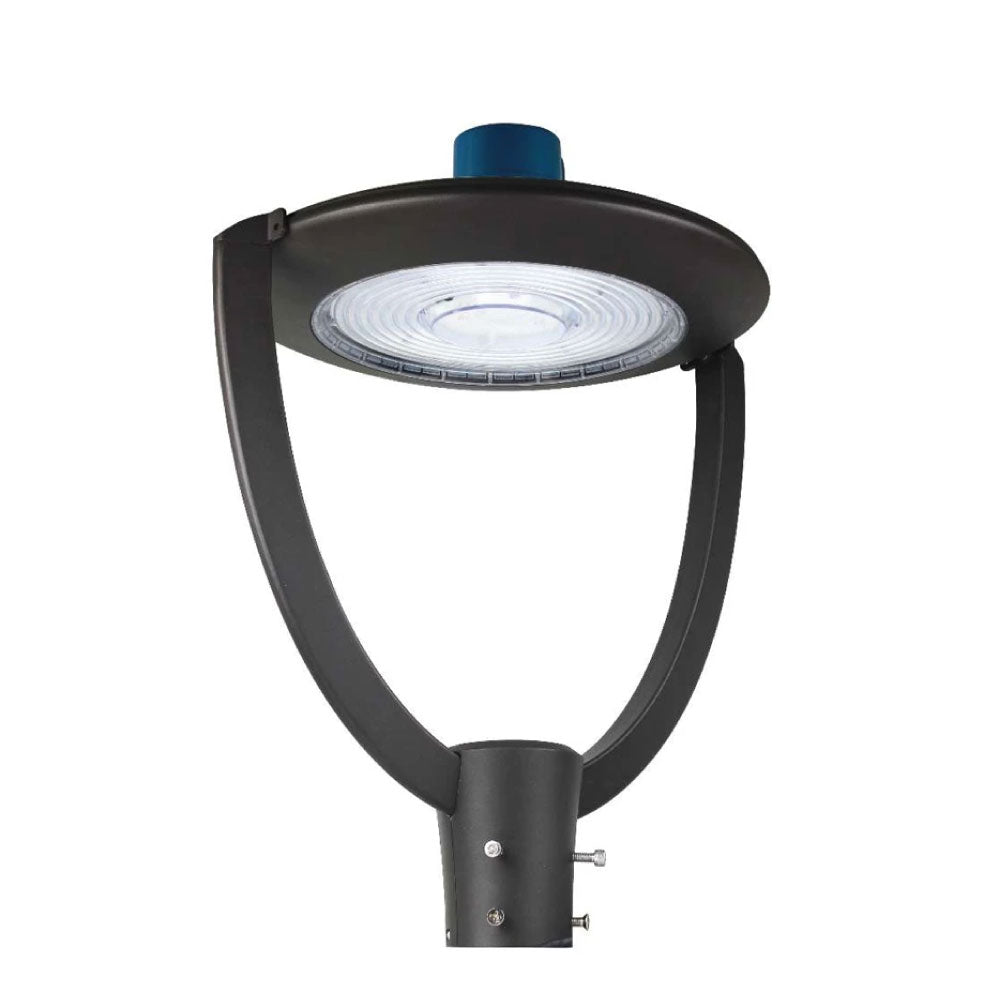


Selecting outdoor lighting can be simple until you start looking at things such as watts, lumens, beam type, pole height, mounting types, and controls.
That's why choosing LED Pole Lights must start with where you live, not the light itself. The correct light must provide visibility without producing any glare, shadows, or light pollution.
Here is the list for evaluating various products.
1. Start With the Area You Need to Light
 First, consider the property at night. Locate all entrance points, parking rows, driving lanes, walkways, loading docks, and property boundaries.
Below are some of the uses of Commercial LED Pole Lights:
-
Parking areas and garages
-
Warehouses and shipping facilities
-
Retail centers and dealerships
-
Schools, parks, and campuses
-
Apartment and hotel parking areas
-
Roadways, yards, and service zones
A loading dock may need stronger task lighting, while a walkway may need lower output and tighter glare control.
Consider how each component of the property would be used by humans to determine whether it needs lighting or not.
2. Compare Lumens, Not Wattage Alone
 While wattage tells you how much power the luminaire uses, lumens tell you its output.
It becomes very important in your comparison between your metal halide or high-pressure sodium lights and a new LED luminaire.
Higher wattage is not necessary for producing a better result. Efficiency, optical performance, mounting height, and spacing are some parameters that determine how much light hits the ground.
Review the lumen range and relate it to the site plan. Check the lumens per watt for comparison purposes.
This will help you buy a luminaire that consumes less energy than the land requires.
3. Match the Fixture to the Pole Height
 Pole height changes the way light spreads across the ground. A fixture mounted too low may create a bright spot under the pole while leaving nearby areas dark.
Before buying Pole Mounted LED Lights, confirm the full mounting setup. A fixture that does not fit the existing tenon or arm can lead to delays and extra hardware costs.
Check:
-
Existing pole height
-
Pole shape and top size
-
Distance between poles
-
Number of fixtures on each pole
-
Mounting arm or adapter needs
-
Wind exposure at the site
When replacing older fixtures, check the mounting details before the order ships.
4. Choose the Right Light Distribution
 Outdoor fixtures use different optical patterns to send light where it is needed.
Type III patterns are often used along parking rows or roadways. Type V patterns spread light around a central pole. The correct choice still depends on the property layout.
Parking Lot LED Lights should cover driving and parking surfaces with fewer dark gaps.
A photometric plan can show:
-
Average light levels
-
Bright and dark points
-
Fixture spacing
-
Light near property lines
-
Areas that may have glare
A photometric layout is especially helpful for large parking lots, dealerships, campuses, and warehouse grounds. It can show how a fixture may perform before installation begins.
5. Pick a Suitable Color Temperature
 The color temperature is what makes the lighting look like at night.
Many business outdoor facilities use 4000K and 5000K. The 4000K fixture produces a neutral white. The 5000K fixture produces a cool white.
The best option depends on:
-
The type of property
-
Nearby buildings or homes
-
Local lighting rules
-
Security camera needs
-
The appearance you want
Do not choose the highest color temperature only because it appears brighter. Visibility is also influenced by location, uniformity, and glare reduction.
A balanced lighting layout often works better than a few fixtures with very high output.
6. Check Outdoor Ratings and Build Quality
 Outdoor LED Pole Lights must handle rain, dust, heat, cold, and long operating hours. Housing and an enclosed optical area provide protection to the internal components from external elements.
Look for fixtures that are suitable for wet and outdoor use.
Also review:
-
Housing material
-
Lens or optical cover
-
Gasket and seal design
-
Operating temperature range
-
Surge protection
-
Finish and corrosion resistance
-
Warranty terms
This is especially important in coastal and industrial zones.
The fixture may stay outside for years, so build quality should carry as much weight as brightness and price.
7. Review Certifications Before Buying
 For commercial outdoor lighting, buyers often look for UL or ETL safety listings. DLC qualification may also matter when a project has utility rebate or performance requirements.
The DesignLights Consortium includes outdoor pole and arm-mounted area luminaires within its qualified product categories. UL checks line-voltage outdoor lights for safety, including use in wet areas.
Check the exact model number before ordering. Listings can differ in watts, volts, or controls.
You cannot assume that all fixtures in the same family have the same listing.
8. Decide Which Controls You Need
 Controls can help reduce unnecessary operating hours.
Common choices include:
-
Dusk-to-dawn photocells
-
Motion sensors
-
Timers
-
Dimming controls
-
Networked lighting systems
Photocells handle automatic dusk-to-dawn operation. Motion controls can lower the output during quiet periods and raise it when activity is detected.
Networked systems may support scheduling, dimming, and system checks from one platform.
Match the controls to the site schedule and activity level. An all-night warehouse operation will require a different set-up compared to an almost-empty retail parking lot at closing time.
It is important to determine whether the control is part of the fixture or a separate purchase.
9. Check Glare, Spill Light, and Local Rules
 More light is not always better.
Poorly aimed LED Area Lights can shine into drivers’ eyes, nearby windows, or neighboring properties.
Look for fixtures with:
-
Controlled beam patterns
-
Shielding options
-
Full-cutoff designs
-
Adjustable mounting
-
Lower-output settings
Light downwards to the earth and to the working area rather than into distant regions.
Regulations governing local outdoor lighting may restrict the height, luminosity, color temperature, or even the light levels at the boundary of the property. Dark sky lighting regulations also restrict upward light and unnecessary light.
Check local rules before choosing the final wattage and layout.
10. Compare the Total Project Cost
 The lowest-priced fixture is not always the lowest-cost choice.
A cheaper model may need extra brackets, offer fewer control options, or carry a shorter warranty.
Include the full project cost, such as:
-
Fixtures
-
Mounting adapters
-
Lift rental
-
Electrical labor
-
Wiring changes
-
Photocells or sensors
-
Energy use
-
Future maintenance
Before placing an order, ask:
-
Does the fixture fit the current pole?
-
Is an electrician or lift required?
-
Are photocells or sensors included?
-
Is the driver field replaceable?
-
What is included in the warranty?
-
Are utility rebates available?
-
Can matching fixtures be purchased later?
These questions can prevent unexpected costs once installation begins.
LEDMyPlace Buyer’s Guide for Choosing the Right Pole Light
 LEDMyPlace offers outdoor commercial lighting options for parking areas, roadways, yards, building grounds, and other large spaces.
Buyers can compare wattages, lumen packages, CCT choices, mounting styles, voltage ranges, and control-ready models in one place.
Review the product specifications and consider how the light will work across the full site. Do not rely on wattage alone.
For a larger installation, a photometric review may assist you in determining the proper output, lenses, spacing, and fixture count before buying.
The best fixture is not always the brightest one. It is the one that:
-
Fits the existing pole
-
Covers the required area
-
Controls glare
-
Handles outdoor weather
-
Works with the site voltage
-
Supports the property’s operating hours
Reviewing these points before you order can prevent fitting problems and costly product changes.
Final Verdict
Start with the area, then review lumens, pole height, optics, color temperature, construction, certifications, controls, glare, and total project cost.
Explore LEDMyPlace lighting options and compare the specifications before placing your order.
The right LED Pole Lights will provide the property with effective coverage without wasting energy or light. The ideal lighting installation will work for the location from the very first night on and last for many years outdoors.
Frequently Asked Questions
Q. What Should You Look for When Buying LED Lights?
A: Check the lumens, wattage, color temperature, size, dimming support, and safety rating. The light should fit both the fixture and the space.
Q. Is Daylight Brighter Than Cool White?
A: Daylight may look brighter because of its cooler blue tone. Still, actual brightness depends on lumens, not color temperature.
Q. What Do Buyers Commonly Ask About LED Lights?
A: Most buyers ask about brightness, energy use, lifespan, color temperature, dimming, installation, and fixture compatibility.
Q. What Are the Seven Colors of LED Light?
A: The seven main colors are red, orange, yellow, green, blue, indigo, and violet. RGB LEDs can also create many mixed shades.
Q. What Is the Most Popular LED Light Color?
A: Warm white is common in homes, while cool white and daylight are often used in offices, garages, and work areas.