

Outdoor lighting usually becomes a concern when one comes across a dark path, poor-lit row of parked vehicles, and a driver’s difficulty seeing pedestrians.
This is why LED Pole Lights become important in 2026. Good lighting should assist people in seeing clearly without causing blinding the entire property. The objective is very straightforward – provide light where it is needed most.
Why Poor Outdoor Lighting Creates Safety Problems
 Dark areas can hide curbs, parked vehicles, surface changes, signs, and people walking between cars. Uneven light creates another issue. A bright patch beside a dark one can make details harder to see.
DOE guidance notes that uniform parking lot lighting can help both people and security cameras see more clearly. Fixture spacing and light distribution play a major role.
Good parking lot lighting should help users:
-
See lanes, curbs, and walkways
-
Notice pedestrians between vehicles
-
Find entrances and signs
-
Move through fewer dark areas
More brightness is not always better. Better coverage matters more.
Why LED Pole Lights Help
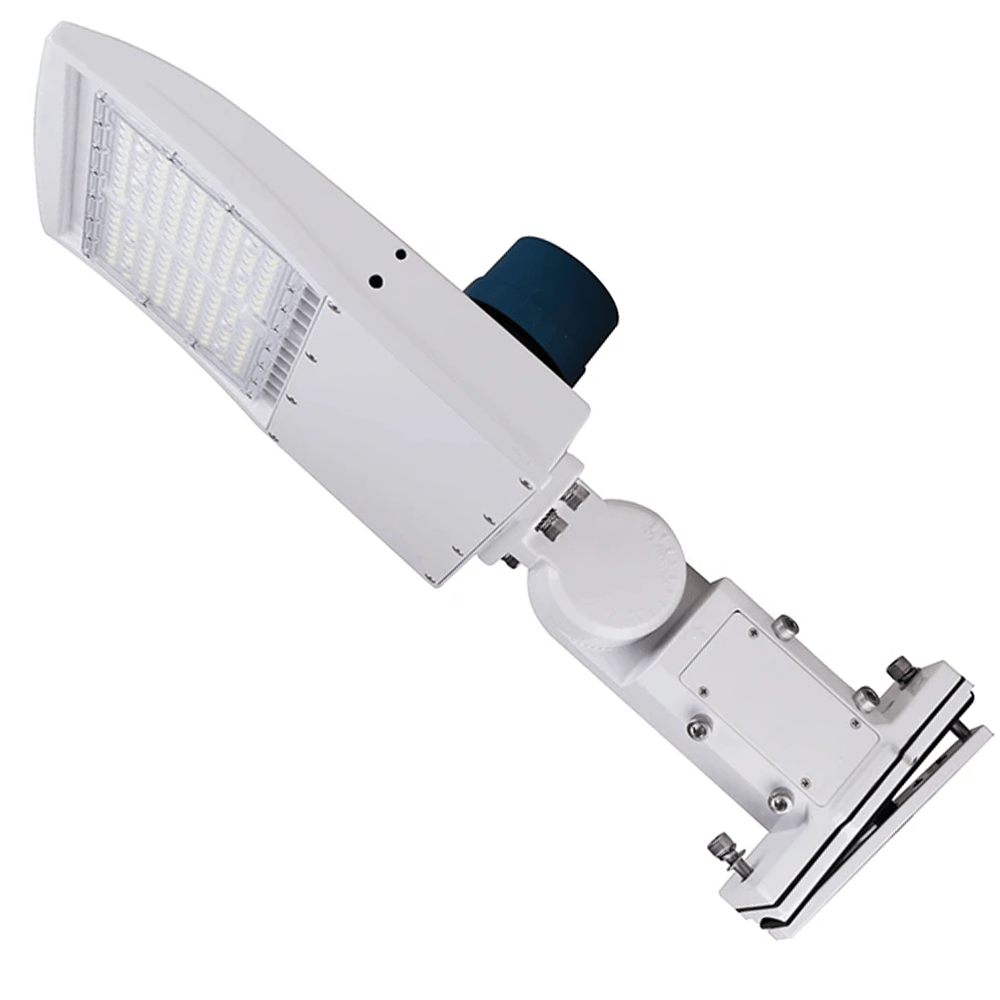
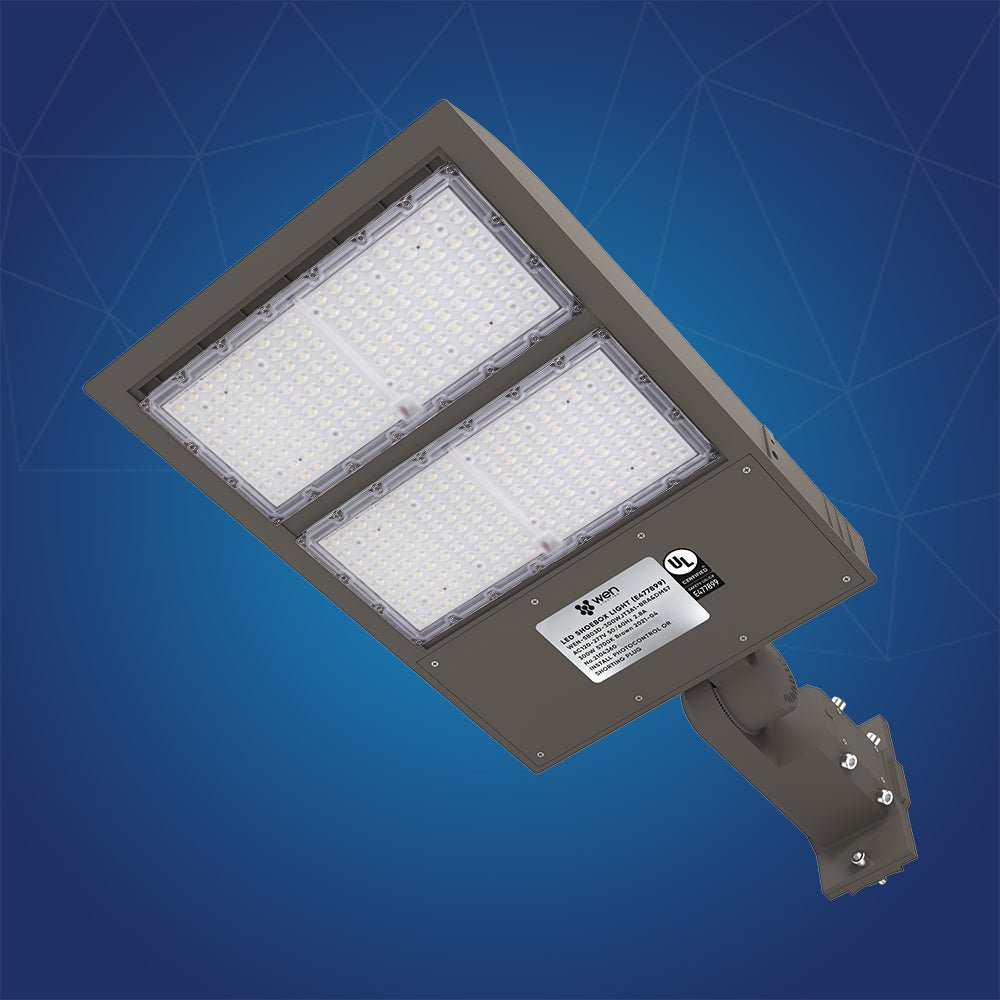
 LED Pole Lights mount above open spaces and direct light toward the ground. According to the type of optics and pole heights, they can cover parking areas, access roads, loading docks, and building walkways.
Benefits Beyond Visibility
 Safety may start the conversation, but commercial LED pole lights can also make outdoor lighting easier to operate.
Useful benefits include:
-
Consistent light output
-
Better beam control
-
Lower maintenance needs
-
Photocell and sensor options
-
Multiple wattage choices
-
Several distribution patterns
These features can support both site safety and operating goals.
Key Specifications to Check
 Do not buy by wattage alone. Two fixtures using the same wattage may perform differently because lumens, optics, mounting height, and spacing change the result.
Begin by measuring lumens for how much visible light the lamp emits. Next is the efficacy measurement in lumens per watt. DOE uses efficacy when evaluating energy-efficient exterior lighting.
Also review:
-
Lumen output and wattage
-
Pole height
-
Light distribution
-
Color temperature
-
Voltage
-
Wet-location rating
-
Control compatibility
-
Mounting style
Where Outdoor Pole Lights Work Best
 Parking Lots
LED parking lot lights are capable of lighting up rows of cars, pathways, and even entrances.
Retail and Commercial Properties
Retailers, businesses, dealerships, and multifamily buildings require reliable lighting systems to allow people to enter and exit their buildings at night.
Warehouses and Industrial Sites
Loading zones, storage yards, access roads, and perimeter spaces often need wide coverage from higher mounting points.
Campuses and Public Areas
Schools, community facilities, and larger sites can use outdoor pole lights around roads, lots, gathering areas, and walkways.
Placement Matters as Much as the Fixture
 However, a sturdy fixture can be let down by poorly positioned poles and by an unsuitable distribution system.
Do not assume every older fixture should be replaced one-for-one. DOE guidance notes that a retrofit may require a different layout when target light levels and uniformity matter.
For larger projects, a photometric plan can show expected light levels before fixtures go up.
Energy Savings Without Overlighting
 LED technology can reduce energy use, but controls can add further savings. This matters in parking areas that remain lit long after activity drops.
DOE guidance recommends considering controls during low-use periods. Sites may dim fixtures, use bi-level operation, or reduce output in quiet areas.
That keeps useful light available without running every fixture at full output all night.
Smart Controls Matter More in 2026
 Outdoor lighting controls now extend beyond basic dusk-to-dawn operation. Scheduling, dimming, control, and centralization could be realized via networking.
The DesignLights Consortium identifies Networked Lighting Controls Version 5.2 as an active version from August 3, 2026. For commercial buyers, that points to the growing role of controllability in efficient lighting projects.
Options can include photocells, motion sensors, timers, dimming, and networked controls.
LEDMyPlace Buyer’s Guide: Choosing the Right Pole Light

Before shopping, write down what the site needs. It makes product comparison easier and reduces the chance of buying too much or too little light.
Ask:
-
How high is the pole?
-
How large is the area?
-
Where are the dark spots?
-
Which distribution pattern fits?
-
Will controls be used?
-
What voltage is available?
-
Is the fixture weather exposed?
-
Is DLC qualification needed?
For LED parking lot lights, coverage should come before wattage. For roadways or perimeters, distribution may matter more. When reusing poles, confirm mounting compatibility before ordering.
A Practical Product Solution from LEDMyPlace
Outdoor lighting for parking lots, roadways, commercial areas, and other extensive outdoor areas is provided by LEDMyPlace.
Wattage, lumens, color temperature, voltage, mount, and control options can be compared by buyers. This helps buyers match fixtures to poles and applications.
If you are replacing older parking lot lighting, check pole height, current fixtures, site layout, and problem areas first. This may help to reduce the selection and prevent an expensive mismatch.
Conclusion
Safer outdoor lighting in 2026 is not about making every lot look like daylight. It is about visibility, even coverage, sensible placement, and useful control.
LED Pole Lights can help businesses improve outdoor visibility while reducing wasted energy and maintenance. When fixture output, pole height, spacing, and controls work together, the site becomes easier to use after dark.
Frequently Asked Questions
Q: Are LED pole lights good for parking lots?
A: Yes. They can provide broad coverage across parking rows, drive lanes, and walking areas when spacing and optics are planned correctly.
Q: How high should parking lot lights be mounted?
A: Height depends on lot size, fixture output, spacing, and distribution. Larger commercial projects often benefit from a photometric layout.
Q: What color temperature works for outdoor pole lighting?
A: It depends on visibility needs, local rules, nearby properties, and the site. Check project requirements before selecting a CCT.
Q: Can commercial LED pole lights use motion sensors?
A: Yes. Many fixtures support sensors, photocells, timers, or networked controls when the fixture and control are compatible.
Q: How do I choose pole light wattage?
A: Start with lumens, pole height, spacing, and coverage needs rather than wattage alone.