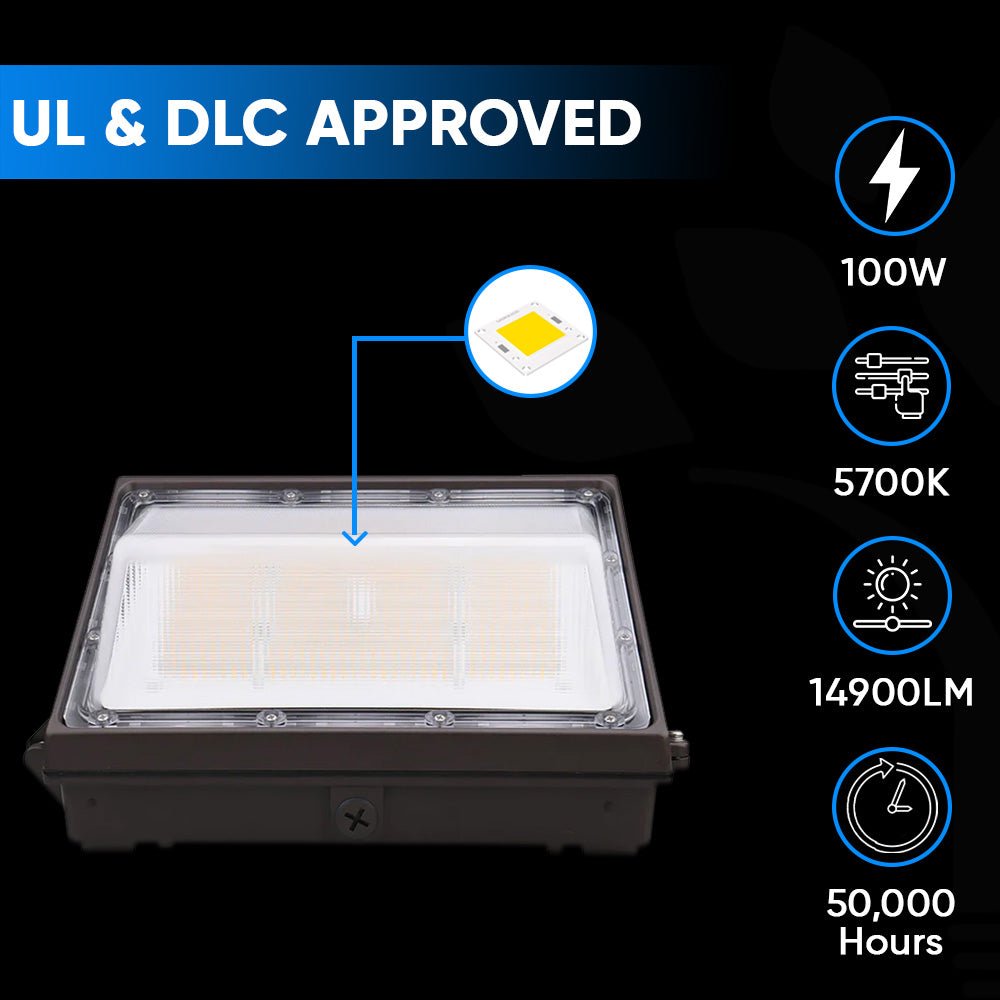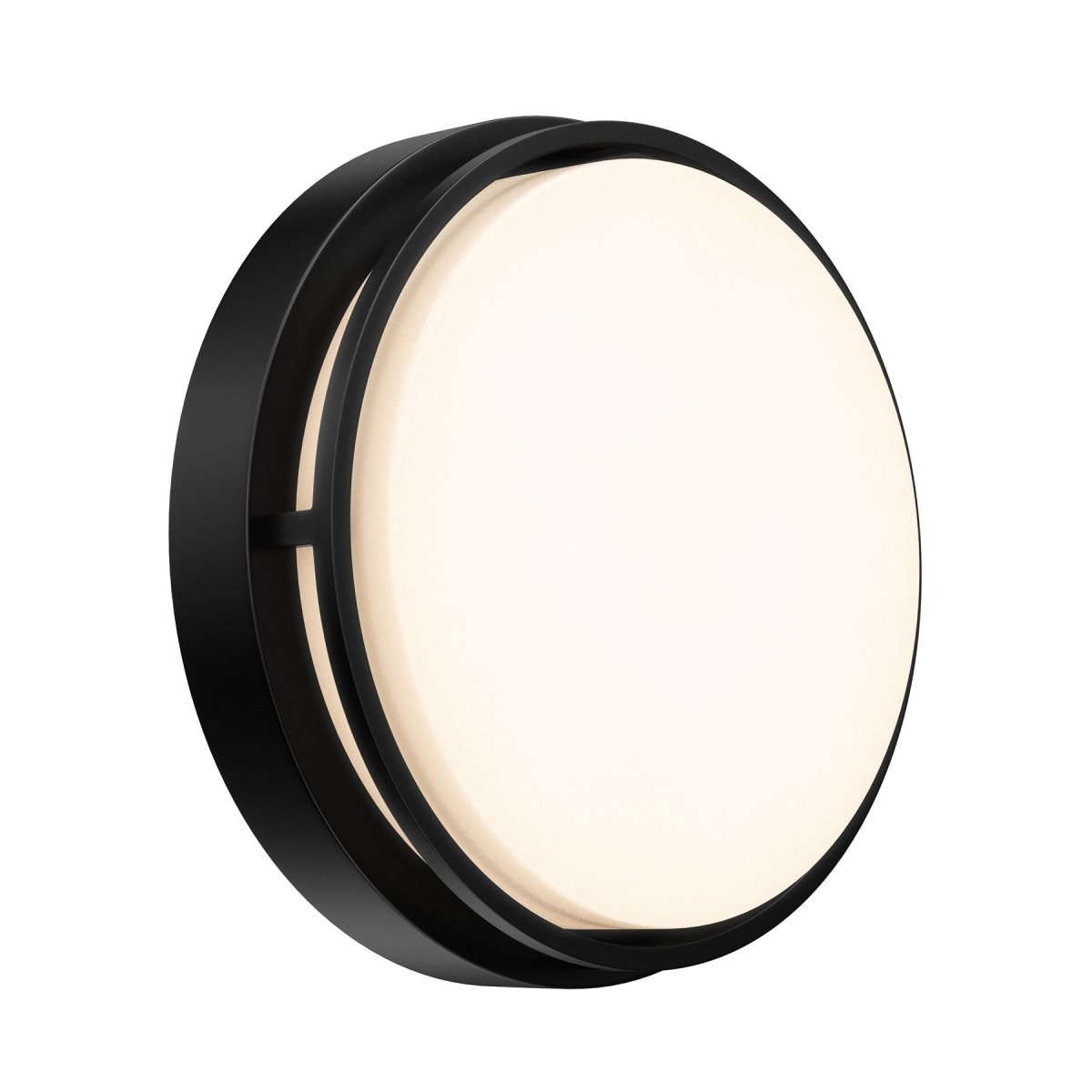


An ideal wall light does not just illuminate an otherwise dark nook. It could make your hallway a more easily navigable place, soothe your bedroom, or brighten your entry way after dark hours.
LED wall lights come highly recommended when you are seeking lighting that will provide a useful glow without occupying any floor space or tabletops. There are many choices today for buyers to choose from.
Why Are LED Wall Lights Becoming So Popular?
 People are using rooms in more ways than before. A living room may also be a reading area. A bedroom may include a work corner. Patios and entryways are used later into the evening. Lighting has to keep up with those changes.
LED lights for walls distribute the light effectively without taking up space in the room.
They also suit smaller spaces. Walls mounted units will save the floors from obstruction without consuming extra floor space.
What Makes an LED Wall Sconce a Practical Choice?
 A well-placed fixture can help with:
-
Bedside reading without using a table lamp
-
Hallway lighting without another ceiling fixture
-
Entryway lighting near doors and steps
-
Accent lighting around mirrors or artwork
-
Patio and porch lighting after dark
LED technology gives buyers plenty of choices. With some fittings, one might have dimming capacity, warm/cool color temperature options, beams, and a long-lasting bulb.
LEDMyPlace offers wall sconces with various wattages, shapes, finishes, and indoors/outdoors types. Some models focus light in one area, while others spread it across the wall.
Indoor LED Wall Lights Can Do More Than Decorate
 LED indoor wall lights come in handy when there is excess overhead lighting.
They can be mounted on either sides of the bed to leave space for a night stand in the bedroom. They give soft lighting when installed in the living room. In a hallway, they can make dark stretches easier to see.
Placement matters. A fixture placed too high may not help with reading. One placed too close to eye level may cause glare.
The warm white lights work fine for bedrooms and living rooms. The brighter lights could work better for areas requiring increased visibility.
Outdoor LED Wall Lights Add Light Where You Need It
 Outdoor lighting will assist in identifying entrances, stairs, walkways, patios, garages, and other places within the property.
The outdoor LED wall lights can be mounted on entrance doors, garage walls, side yards, patios, and covered outdoor spaces. Some wall light fixtures project light down while others project light up and down.
Before buying an outdoor light fitting, look at the rating label on it. Do not put up an indoor-only fitting outside.
Also check brightness and beam direction. It does not mean that more light is better. The objective is lighting the space without glare around doors, windows, or adjacent spaces.
Why Modern LED Wall Lights Fit Today’s Homes
 Modern lighting is becoming less about one bright fixture in the center of a room. Buyers are layering light instead.
This implies using ceiling lighting with lamps, scones, under-cabinet lighting, among others. LED wall lights are the best example for this approach since they can manage one area without covering the entire room.
They can also keep the layout open. Instead of adding another lamp and cord, the light stays on the wall. This works well in bedrooms, reading corners, offices, dining areas, and narrow passages.
The idea is simple: put light where people actually need it.
LEDMyPlace Buyer’s Guide: What Should You Check Before Buying?
 Buying a wall light gets easier when you start with the space instead of the fixture.
1. Decide Where the Light Will Go
There are variations in indoor and outdoor installations. The rating of the light fitting should match the place of installation.
2. Check the Size
Measure the wall, nearby furniture, doors, mirrors, and trim. A fixture that looks small online may feel much larger on a narrow wall.
3. Look at Lumens, Not Only Watts
Watts tell you how much power the light uses. Lumens tell you how much light it produces. Use brightness as a key buying point.
4. Choose the Right Color Temperature
A warmer light may be preferable in bedrooms and lounge rooms. Cooler colors may be preferred in task rooms.
5. Check Dimming and Controls
If you want different light levels, choose a dimmable model and confirm that your dimmer is compatible.
6. Review the Fixture Direction
Some project light upwards, others downwards, and still others both ways. Choose the appropriate lighting design based on the wall and use.
LEDMyPlace offers options for different spaces, so compare product details before choosing by appearance alone.
Are LED Wall Lights Worth Buying for the Long Term?
 Sure, in many cases. Wall lighting is one way to address issues that other types of illumination such as floor lamps and ceiling lights might not be able to address.
Also, wall lighting can help you to avoid buying other portable lights. If you get the right level of brightness, right size, color temperature, and place your wall light properly, it can become the part of the interior.
That is useful for buyers who want fewer items taking up space.
Conclusion
Wall lights have become more prominent in residential and commercial lighting plans. They offer utility, aesthetics, and efficient use of space.
LED wall light fixtures have come in to solve this need in the form of interior, exterior, decorative, and functional lights for your convenience.
Next time you plan on installing your wall lights, think about the space you are looking at and then check out the lighting features such as lumens, color temperature, direction, and location rating. LEDMyPlace has given consumers options for both interior and exterior lighting fixtures so that you can choose based on utility.
Frequently Asked Questions
Q. Where should I install an LED wall sconce at home?
A: Bedrooms, hallways, entryways, living rooms, and reading areas are good options. Place it where you need extra light without using floor or table space.
Q. Are LED wall light fixtures good for small rooms?
A: Yes. Wall-mounted lighting keeps floors and tables clear, which can help small bedrooms, apartments, and narrow hallways feel less crowded.
Q. Can indoor LED wall lights be used as the main room light?
A: They can work in smaller spaces, but most rooms benefit from layered lighting. Pair wall lights with ceiling or task lighting for better coverage.
Q. What should I check before buying outdoor LED wall lights?
A: Check the fixture’s outdoor rating, brightness, beam direction, size, and mounting location. Make sure it is suitable for moisture or weather exposure.
Q. What color temperature works best for modern LED wall lights?
A: Warm white works well in bedrooms and living areas, while neutral white can suit task-focused spaces. Choose based on how you use the room.