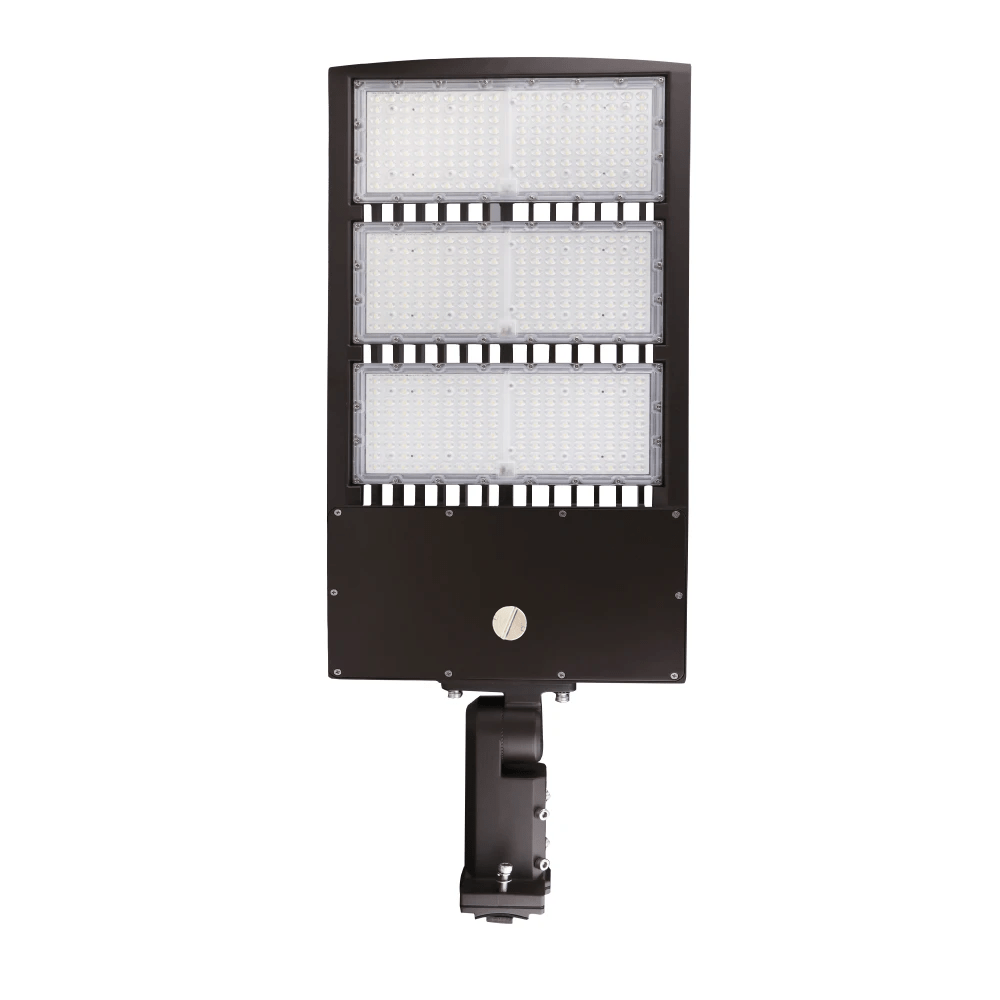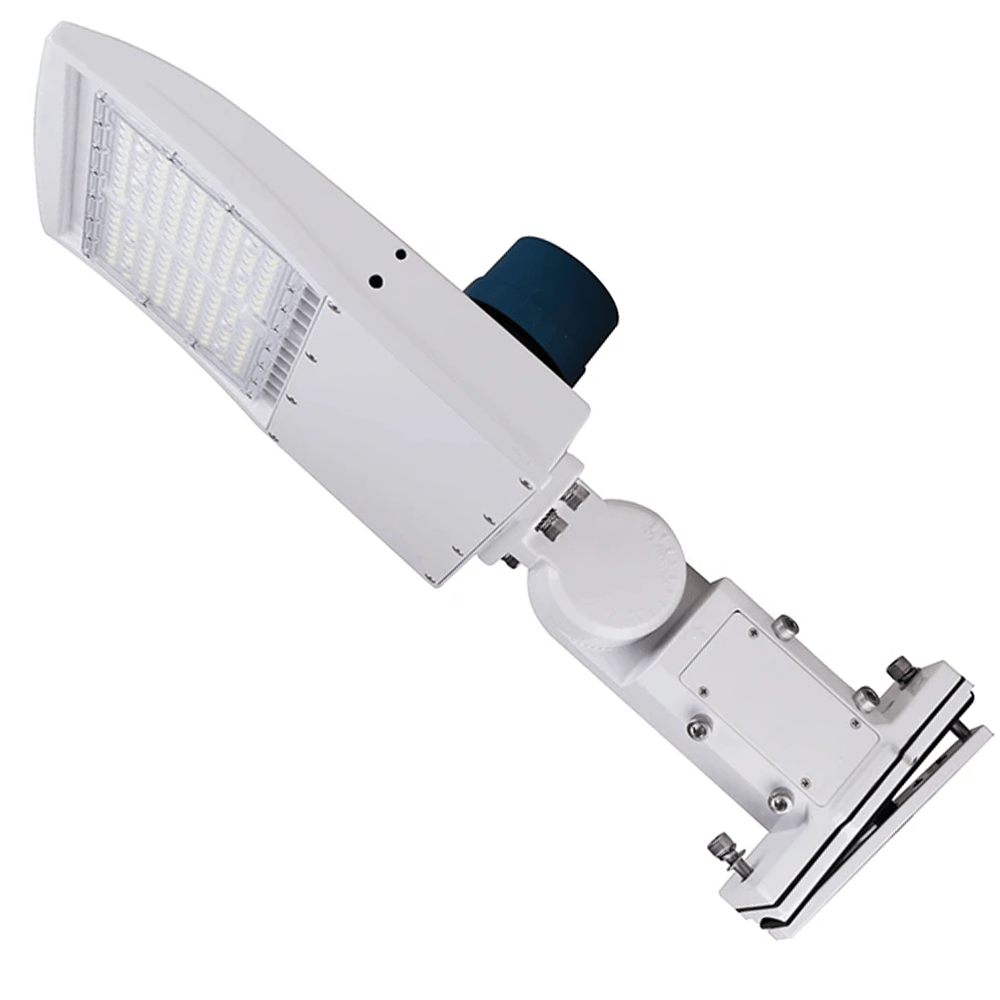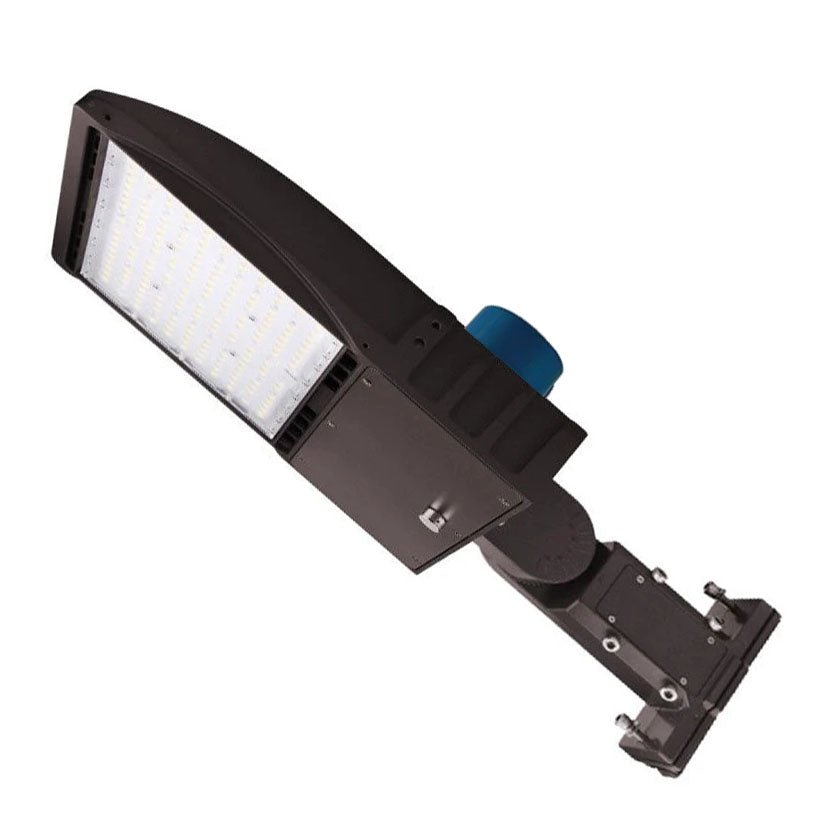


The parking lot may be the first and last element of the business premises that customers see. Poor lighting after sunset can create an unsafe, difficult, and expensive environment. Businesses are increasingly demanding that outdoor lighting be not merely present but also intelligent and efficient – able to detect the need for lighting and adapt accordingly.
LED Parking Lot Lights with motion detection can deliver this. Rather than staying lit all night at full capacity, these lights can dim during low activity and brighten as soon as movement occurs. This can benefit many kinds of businesses.
Why Motion Sensors Make Sense for Modern Parking Lots
 Traditional parking lot fixtures usually operate at one light level from dusk until dawn.
Motion Sensor LED Lights take a different approach. A sensor detects activity within its range and tells the fixture to increase output. When the area becomes quiet again, compatible controls can return the light to a lower level after a set period.
A busy entrance can stay well lit, while less active sections do not need full brightness every minute of the night.
How LED Parking Lot Lights Can Reduce Wasted Energy
 The other key reason for firms to update their old outdoor fixtures is energy consumption. LEDs consume electricity more efficiently than many traditional lighting technologies. Adding controls can reduce unnecessary operating time at higher output levels.
Consider a parking lot that stays open late but receives only occasional traffic after business hours. Keeping every fixture at maximum output may add cost without adding much value.
LED lighting in parking lots with sensors can reduce illumination during idle periods and boost it upon the arrival of a car or pedestrian in the area.
Better Visibility When Customers and Employees Need It
 Parking lot lighting affects more than an electric bill. People need to see curbs, parked cars, walkways, cart areas, entrances, and other people around them.
A motion-controlled system can provide stronger light as activity enters a selected zone. This can be useful near employee parking areas, loading zones, side entrances, and sections used only at certain times.
The goal is useful, well-placed light with suitable coverage.
Commercial Parking Lot Lights should be planned around pole height, spacing, beam distribution, fixture output, and property layout. Motion controls then add another layer of control.
Why Businesses Should Avoid the All-On or All-Off Approach
 Some owners hear “motion sensor” and imagine lights switching completely off until somebody walks nearby. That is not always the best setup for a commercial parking lot.
Many applications benefit from dim-to-low operation instead. The fixture remains on at a reduced level during inactivity, then rises to the selected output when motion is detected.
This approach keeps background visibility while still cutting unnecessary power use. It can also make the change in brightness feel less abrupt for drivers and pedestrians.
Settings matter. Detection range, delay time, dimming level, and mounting position should fit the site. A poorly placed sensor may react too often or fail to cover an important area.
Where Motion Sensor LED Lights Work Best
 Motion sensing can be useful in many commercial outdoor spaces, especially where traffic changes throughout the night.
Common applications include:
-
Retail parking lots with lighter traffic after closing
-
Warehouses with employee and loading areas
-
Office buildings with late-night staff
-
Auto dealerships with large outdoor lots
-
Schools, churches, and community facilities
-
Storage properties and industrial sites
-
Side lots and overflow parking areas
Each property is different. A business that operates twenty-four hours may use different control settings than a location that closes at 8 p.m. The lighting plan should match actual traffic patterns instead of using one setting for every site.
LEDMyPlace Buyer’s Guide: What to Check Before You Buy
 Buying a parking lot light based only on wattage can lead to poor results. Start with the property itself.
First, check the pole height and existing fixture setup. A light mounted high above a large lot needs different output and distribution than one covering a smaller area.
Now consider lumens, not necessarily more watts, as a sign of brighter lights. Check for details about beam type, color temperature, voltage, mounting choices, and dimmability.
For a motion-sensor setup, ask a few extra questions:
-
Is the sensor built in or added separately?
-
Can you adjust sensitivity and detection range?
-
Can the fixture dim instead of switching fully off?
-
Is the delay time adjustable?
-
Will nearby traffic trigger the sensor unnecessarily?
LEDMyPlace offers commercial outdoor lighting options for different property needs. Comparing fixture specifications with your lot layout can help you choose a better fit instead of simply buying the brightest option.
What Businesses Gain Beyond Energy Savings
 The value of motion-controlled lighting is not limited to lower power use. Smarter control can make a lighting system easier to operate around changing business hours.
A property manager may not need to manually adjust lights for late shifts, quiet periods, or occasional activity. Properly configured controls handle those changes automatically.
Reduced high-output operating time may also lower unnecessary light during empty hours. This can help businesses near homes, hotels, or neighboring properties where excessive nighttime brightness may cause complaints.
Conclusion
Modern businesses need outdoor lighting that works with their schedule. Motion sensors let LED fixtures respond to changes in usage while providing adequate lighting in that area.
LED Parking Lot Lights with motion sensors can be a great choice for those commercial properties looking to save energy while increasing visibility at night.
Before purchasing LED lights, match them to the proper pole height and other lighting requirements. The right Commercial Parking Lot Lights should not only look bright on a specification sheet. They should make sense for the people, vehicles, operating hours, and costs connected to the property.
For businesses planning an outdoor lighting upgrade, LEDMyPlace can help you compare LED parking lot options built for real commercial use.
Frequently Asked Questions
Q. Are motion sensor parking lot lights good for commercial properties?
A: Yes. They can reduce unnecessary energy use and provide brighter light when vehicles or people enter the area.
Q. Do LED Parking Lot Lights stay on all night with motion sensors?
A: Not always. Many systems can dim during quiet periods and return to full brightness when motion is detected.
Q. Where should Motion Sensor LED Lights be installed in a parking lot?
A: They work well near entrances, loading areas, employee parking, side lots, and places with changing nighttime traffic.
Q. What should businesses check before buying Commercial Parking Lot Lights?
A: Check pole height, lumens, beam pattern, voltage, mounting type, sensor range, and dimming options before choosing a fixture.
Q. Can LED Parking Lot Lighting help lower operating costs?
A: Yes. LEDs use less energy than many older fixtures, and motion controls can reduce power use during low-traffic hours.