































































Lighting does more than help you see. It shapes how a room feels every day. When you compare warm vs cool lighting, you notice clear mood shifts. Brightness isn’t the only factor. The tone of the light plays a bigger role. That’s why it helps to decide on the mood first, then pick your fixtures. A soft glow can calm you.
A crisp tone can boost energy. Because every room serves a purpose, the right choice depends on daily use. This guide breaks down indoor light colors in a simple way and helps you match LED light tones with comfort and function.
Why Light Color Changes How a Room Feels
 Light affects mood faster than furniture or paint. When the home lighting color feels warm, the room feels relaxed. On the other hand, cooler tones make spaces feel active and alert. This happens because our eyes link color temperature with time of day. Warm light reminds us of sunset. Cool light feels like midday sun. As a result, the room lighting mood shifts without you noticing.
Also, shadows behave differently under each tone. Warm light softens edges. Cool light sharpens contrast. Because of this, textures stand out more under cooler indoor light colors. Therefore, choosing LED light tones is not just style. It supports how your brain reacts inside that space.
How Warm and Cool Indoor Lights Compare
 Understanding warm vs cool lighting starts with numbers. Light color temperature is measured in Kelvin. Lower numbers feel warmer. Higher numbers feel cooler.
Warm lighting (2700K–3000K)
-
Creates a cozy room lighting mood
-
Works well for relaxing areas
-
Softens skin tones and decor
Cool lighting (4000K–5000K)
-
Feels bright and clean
-
Supports focus and visibility
-
Makes modern finishes stand out
So, the choice between these LED light tones depends on the purpose. If comfort matters most, warm tones help. If clarity matters more, cooler indoor light colors perform better.
How Warm and Cool Light Feels in a Bedroom
 Bedrooms need calm energy. Therefore, warm tones usually win here. Soft home lighting color helps the body slow down at night. It also reduces harsh glare before sleep. Warm LED light tones, resembling sunset, provide a pleasant ambiance in the evening.
However, some people add a small cool light near closets. This helps with dressing and color matching. So, mixing indoor light colors in layers can work well. Cozy overhead lighting provide the ambiance. You get better light for small tasks, but the space doesn’t stop feeling warm.
Warm vs Cool Lighting in Living Rooms
 Living rooms get used for all kinds of things. You might be relaxing one minute and having people over the next. That’s why a mix of lighting usually feels right. Warmer light helps the space feel inviting. Yet, small cool accents improve visibility for reading or hobbies.
For example, use warm ceiling lights first. Then, add a neutral or slightly cool lamp near seating. This layered approach blends LED light tones smoothly. It makes the room comfortable without losing function. The light stays balanced instead of going too dim or too harsh.
Warm or Cool Light — What Works Better in a Kitchen?
 Kitchens need clarity. Therefore, cool tones often perform better for cooking tasks. A higher light color temperature helps you see food details clearly. It also reduces shadows on countertops. Because of this, cool indoor light colors improve safety while working with sharp tools.
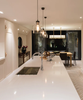
Still, too much cool light can feel harsh. So, many people use warm pendants above dining areas. This keeps the room lighting mood inviting during meals. By mixing LED light tones, you keep function strong without losing comfort. That mix makes the kitchen feel active but still comfortable.
How Lighting Tone Affects Focus and Comfort
 Light impact energy levels. Cool tones signal daytime alertness. Therefore, they help in work zones and study areas. Warm tones, however, encourage relaxation. So, they suit reading corners and rest spaces better.
Also, eye strain changes with tone. Very cool indoor light colors can feel intense over long hours. Meanwhile, very warm light may reduce clarity for detailed tasks. Because of that, neutral LED light tones around 3500K sometimes offer a middle ground. Choosing the right home lighting color improves both focus and comfort without extra effort.
Using Different Indoor Lights to Balance Color Tones
 Layering light solves many problems. Instead of choosing only warm vs cool lighting, combine both carefully. Start with a base tone that fits the room’s main purpose. Then, add secondary lights for support.
For example:
-
Use warm ceiling lights for a general glow
-
Add cool task lights on desks or counters
-
Include dimmable fixtures for a flexible room lighting mood
This method blends LED light tones smoothly. As a result, indoor light colors shift with activities. You can relax, work, or entertain in the same space without changing fixtures.
Where People Go Wrong with Light Color
 Many people focus only on brightness. However, light color temperature matters just as much. One mistake is using cool light everywhere. This can make homes feel too clinical. Another mistake is using only warm tones in work areas. This reduces visibility and focus.
Also, mixing random indoor light colors can clash visually. Therefore, plan tones in zones. Keep similar LED light tones within each area. Then, use contrast only where needed. Thoughtful planning improves the room lighting mood without extra cost.
Wrapping Up: Picking the Right Light Tone
This choice has more to do with comfort than trends. It is about how you live in each room. Warm tones support rest. Cool tones support activity. As every home has individual demands, combining LED light tones frequently works best.
Firstly, decode the main purpose of each space. Then, match the home lighting color to that purpose. Use layers to adjust mood when needed. With the right balance of indoor light colors, your rooms will feel comfortable, useful, and easy to enjoy every day.
Frequently Asked Questions
Q: How can I tell if a light is warm or cool before buying it?
A: Check the Kelvin number on the package. Lower numbers usually mean a warmer, softer glow, while higher numbers give off a cooler, brighter tone.
Q: Is warm lighting better for relaxing spaces?
A: In many homes, yes. Warm light tends to feel softer on the eyes and helps create a calm atmosphere, especially in the evening.
Q: Why do some rooms look too harsh even when the light is not very bright?
A: That often happens with very cool indoor light colors. The tone can feel sharp, which changes the room’s mood even if the brightness isn’t high.
Q: Can I use both warm and cool lights in the same room?
A: You can, and many people do. A warmer main light with a cooler lamp for tasks can make a space feel comfortable and still practical.
Q: Which light tone works best for kitchens and work areas?
A: Slightly cooler light usually helps in these spots because it makes details easier to see. Adding a warmer light nearby can still keep the space from feeling too cold.