









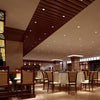




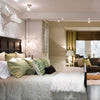
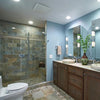


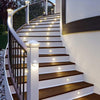
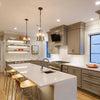



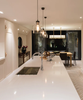








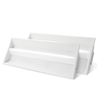
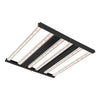



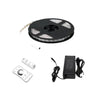


















The kitchen is often the first place where lights turn on in a home. Lights switch on early. Work starts quickly. And without the right setup, even simple tasks feel harder. That is why Kitchen Lighting matters more than most people think. It shapes how you cook, clean, and move around every day.
At the same time, good Residential Lighting Ideas do not focus on one room only. They connect the whole home. So while the kitchen leads, every other space follows a similar logic.
Why Kitchen Lighting Needs a Practical Setup
 Kitchen Lighting should stay clear and steady. You need to see details. You need focus. And you also need comfort. Because of this, most Home Lighting Solutions in kitchens follow a layered approach.
This setup usually works well:
-
Ceiling lights keep the entire space bright
-
Task lighting helps on counters and cooking areas
-
Under-cabinet lights reduce shadows
-
Warm accent lights balance the brightness
However, using only one type of light often creates problems. For example, overhead lights alone can leave dark spots. So combining layers improves visibility and comfort.
How to Balance Brightness and Comfort in Kitchens
 A kitchen should not feel too harsh. At the same time, it should not feel dim. So the balance matters. Indoor Lighting for Every Room follows this idea, but kitchens need it the most.
First, use neutral or cool tones for clarity. This helps during food prep. Then, add softer lights around edges. Because of this, the space feels less tiring.
Also, place lights carefully. For example, install them above work zones instead of behind you. This prevents shadows while cutting or cooking.
The kitchen is still cozy and functions flawlessly.
Residential Lighting Ideas for Every Room in Your Home
 It’s not just about the kitchen, the full home layout matters as well. Residential Lighting Ideas work best when all rooms feel connected. Because of this, Indoor Lighting for Every Room should follow similar patterns.
A simple approach works well. Use bright lights where tasks happen. Then add softer lights where you relax. This keeps the flow natural across the home.
How to Set Up Lighting That Works Well in Living Rooms
 Living rooms need a softer setup. Unlike kitchens, they focus more on comfort. So Home Lighting Solutions here should reduce glare and create a relaxed feel.
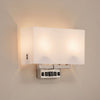
Wall sconces and decorative fixtures fit well in living rooms. They spread light gently across walls. Because of this, the space feels calm without becoming too dark.
You can also mix light sources. For example, combine ceiling lights with floor lamps. This adds depth. At the same time, it keeps the room usable for both sitting and light activities.
Lighting Ideas That Feel Right for Bedrooms
 Bedrooms should feel quiet. So the lighting should stay soft. However, it still needs to be useful.
Wall sconces work well near beds. They give focused light without lighting the whole room. So you can read or relax without any trouble.
Decorative fixtures can also help. They add a gentle glow. At the same time, they keep the mood calm. Indoor Lighting for Every Room always adjusts based on use, and bedrooms clearly need less intensity.
Choosing Lighting That Fits Bathroom Needs
 Bathrooms need clarity. So lighting should stay direct and clean. However, it should not feel too sharp.
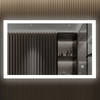
LED vanity mirrors are the most useful here. They give even light across the face. Because of this, daily tasks like grooming become easier.
You can also add ceiling lights for overall brightness. But maintain equilibrium. An excessive amount of light might be unsettling. So, combining direct and soft light works best in most Home Lighting Solutions.
Lighting Setup for Hallways and Entry Areas That Feels Balanced
Hallways and entry areas connect spaces. So lighting should guide movement. However, it shouldn't attract too much notice.
Recessed lights or simple fixtures work well here. They keep the area visible. Because of this, people can move safely without distraction.
Also, spacing matters. Lights placed evenly avoid dark patches. It just makes it easier to walk through.
Common Mistakes to Avoid in Kitchen Lighting
Even a good setup can fail if small details are missed. So avoiding common mistakes improves results.
-
Using only one light source
-
Placing lights behind working areas
-
Ignoring under-cabinet lighting
-
Choosing very harsh or very dim tones
The good part is, these problems are simple to sort out. Small changes can help a lot.
How to Keep Lighting Consistent Across the Home
Consistency helps everything feel connected. So while each room has its own needs, the lighting should still match in tone and style.
For example, if the kitchen uses neutral light, avoid very warm tones in nearby areas. Because of this, the transition feels natural.
Also, keep fixture styles similar. This supports a clean look. At the same time, it helps your Residential Lighting Ideas stay balanced.
Conclusion
Kitchen Lighting should always focus on daily use. The light should feel easy on the eyes and stay balanced, while fitting in with the rest of the house.
When you follow simple Residential Lighting Ideas, every room starts to feel right. Kitchens stay practical. Living rooms feel calm. Bedrooms stay soft. And overall, the home becomes easier to use every day.
Frequently Asked Questions
Q. What type of lighting is best for kitchens?
A: A mix of ceiling lights, task lights, and under-cabinet lights works best. It keeps the kitchen clear and easy to use.
Q. Why is layered lighting important in kitchens?
A: It helps cover all areas. One light is not enough. A mix reduces shadows and improves visibility.
Q. Which light color is good for kitchen lighting?
A: Neutral or cool white light works well. It helps you see clearly while cooking and cleaning.
Q. Are LED lights good for home lighting solutions?
A: Yes, LED lights last longer and use less energy. They are a smart choice for Indoor Lighting for Every Room.
Q. How can I keep lighting comfortable in every room?
A: Use bright light for tasks and softer light for relaxing areas. This keeps every space easy to use and comfortable.