



















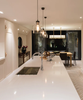






























You turn on every switch. Yet the space still feels dull. Corners look heavy. Walls seem flat. So the issue is not always the number of fixtures. Instead, poor lighting in the dark room often causes the problem.
Many homes struggle with this. In many cases, you don’t need more powerful bulbs. You just need to arrange your lighting differently. Light must spread, bounce, and layer correctly. Otherwise, shadows take over the room.
Let's dissect this in detail. Then we will solve it using practical home lighting ideas that truly work.
Understanding Why Lights Alone Do Not Brighten a Room
 A room may have strong bulbs. Still, it can feel dim. This happens because light does not reach every surface. Rather, it remains narrowly focused.
Furthermore, Walls, ceilings, and floors reflect light. So when these surfaces remain dark, they absorb brightness. As a result, the room feels smaller and heavier.
Also, many people depend on one ceiling fixture. However, that creates bright centers and dark edges. Therefore, the goal is not just intensity. The goal is even distribution using better room lighting solutions.
Things That Accidentally Make a Room Feel Dim
 Small errors often create big lighting problems. Fortunately, fixing them can quickly brighten a room.
Mistakes that block proper light spread
-
Using a single overhead source only
-
Choosing bulbs with low lumen output
-
Placing fixtures too high without side lighting
-
Ignoring wall reflection completely
-
Using very warm light in already dark spaces
-
Letting tall furniture block light paths
Because of these issues, shadows build in corners. Light fails to travel. So the room never looks fully lit. Instead, smart indoor lighting tips focus on balance and coverage.
Difference Between Brightness and Light Spread
 Brightness measures output. Light spread measures coverage. These are not equivalent.
For example, a narrow beam bulb shines intensely in one spot. However, it leaves the rest of the room dull. On the other hand, wide-angle LED room lights spread illumination across surfaces.
Therefore, effective dark room lighting needs both strength and reach. A balanced beam reduces harsh contrast. It softens shadow edges. As a result, the space feels brighter without increasing glare.
How Layered Indoor Lights Improve Overall Visibility
 Layered lighting uses multiple sources at different heights. This method removes shadows from all directions.
Instead of one fixture doing all the work, each light plays a role. Together, they create depth and clarity.
Basic layers that improve lighting balance
-
Ceiling lights for overall brightness
-
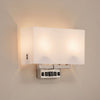
Wall lights to reduce side shadows
-
Floor lamps to fill dark corners
-
Table lamps for mid-level glow
-
Accent lights for depth and contrast
Because light comes from several angles, surfaces reflect evenly. Consequently, the room feels open and comfortable. Layering remains one of the strongest room lighting solutions.
Best LED Indoor Lighting Options for Dark Rooms
 Modern LEDs provide strong output with better spread. However, not every fixture suits every room.
Certain LED lights help more in dim rooms since they throw light across the walls and ceiling, not only downward.
Effective LED choices for dull spaces
-
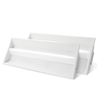
LED panel lights for wide, flat coverage
-
LED ceiling battens for strong overhead spread
-
LED wall washers to brighten vertical surfaces
-
LED floor uplights to lift ceiling brightness
-
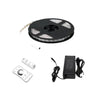
LED strip lights under shelves or cabinets
These options reduce contrast between bright and dark areas. So they help brighten a room gently and evenly. Neutral white light often works best because it keeps spaces clear without feeling cold.
Where to Place Lights to Remove Shadows and Dull Corners
 Placement matters as much as brightness. Even powerful fixtures fail in the wrong position.
First, focus on corners. Dark corners shrink visual space. So place floor lamps or wall lights there.
Another small change is lighting the walls a bit. That extra glow helps spread brightness around the room.
Then, consider upward lighting. The space is softly lit by lights that reflect off the ceiling. Harsh shadows recede as a result.
Finally, avoid blocking light with furniture. Large pieces can trap brightness. Thus, use useful indoor lighting advice to maintain fixtures free of obstructions.
A Step-by-Step Problem-Solving Framework for Dark Rooms
Instead of trying things blindly, take a moment to notice where the room feels darkest and start there.
Step 1: Observe the space
Turn on all lights. Then look for dark corners, dull walls, and heavy shadows.
Step 2: Check light sources
Count how many fixtures you use. One or two lights rarely spread enough brightness.
Step 3: Add side lighting
Before adding more ceiling power, place lamps at mid or low levels.
Step 4: Improve wall reflection
Use wall lights or upward lamps so surfaces bounce light back.
Step 5: Upgrade bulb type
Switch narrow beam bulbs to wide-spread LED room lights.
Step 6: Layer the lighting
To eliminate the shadow gap, one can combine floor, wall, and ceiling lights.
Although making small changes here and there adds up. The room feels lighter without becoming too sharp or uncomfortable.
Conclusion
In conclusion, the lighting design—rather than the brightness of the bulbs is frequently the issue if a space still feels dim. You may alter the atmosphere of a gloomy area by improving its lighting with smart room lighting solutions. Add wall lighting. Light the corners. Use layered LED room lights.
Apply simple indoor lighting tips to guide placement. Once the light spreads properly, those heavy shadows stop showing up. The room looks brighter from every angle, and it just feels easier to relax in.
Frequently Asked Questions
Q: Why does my room still feel dark even with bright bulbs?
A: Brightness alone isn’t enough. If light doesn’t reach walls, corners, and different levels of the room, shadows stay and the space feels dull.
Q: What type of lighting helps brighten a dark room the most?
A: Lights that spread outward instead of just downward usually help more. Layering ceiling, wall, and floor lights makes a big difference.
Q: Can wall color affect how bright a room looks?
A: Yes, darker walls absorb more light. Lighter surfaces reflect light better and can make the same lighting setup feel brighter.
Q: How do I reduce shadows in the corners of a room?
A: Adding a floor lamp or wall light in dark corners helps a lot. Once those areas are lit, the whole room starts to feel more open.
Q: Are LED lights better for dark rooms?
A: Often, yes. Many LED room lights provide wider light spread, which helps brighten a room more evenly without harsh glare.