
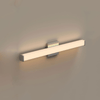

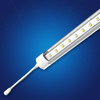
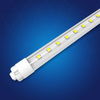


























A tube light may seem like a simple purchase. Choose the correct length, order the new lamp and then install it. One little mistake will lead to problems such as flickering of lights, poor illumination, additional cable works, and a light that will not fit the fixture.
LED Integrated Tubes may help you simplify your lighting, provided the product suits the room. It is necessary to evaluate these factors prior to purchase.
1. Checking the Fixture After Choosing the Tube
 Many buyers start with the tube size. They see a four-foot lamp and assume any four-foot replacement will work.
Two tubes can look almost the same but have different power connections. One may work with a ballast. Another may need direct wiring. Some use single-end power, while others use double-end power.
Before ordering, check:
-
Tube length and diameter
-
Pin or base type
-
Fixture voltage
-
Existing ballast
-
Wiring method
-
Number of lamps in each fixture
This check can prevent returns and extra labor.
2. Comparing Watts Instead of Light Output
 Watts tell us how much energy a bulb consumes, but they don’t tell us how bright the environment is going to be.
When evaluating LED Tube Lights, start from their lumens. Lumens will give an idea about the amount of light emitted. LED using lesser wattage can produce more light than a fluorescent tube.
A storage area may need basic visibility. A workbench, shop aisle, or packing table needs clearer task lighting.
Too much light in a low ceiling area can feel harsh. Match the output to the mounting height and the work being done below.
3. Picking the Wrong Color Temperature
 Color temperature impacts the way tools, objects, walls, and work surfaces seem. It is shown in Kelvin.
Common choices are:
-
4000K for neutral white light
-
5000K for bright, clear task light
-
6500K for a cooler daylight look
5000K is used extensively in garages, workshops, and commercial buildings because it is bright while not being too blue.
Do not mix different color temperatures in one space. They may seem equal in brightness, but will look mismatched.
4. Ignoring the Shape and Beam Spread

Not every tube sends light in the same direction.
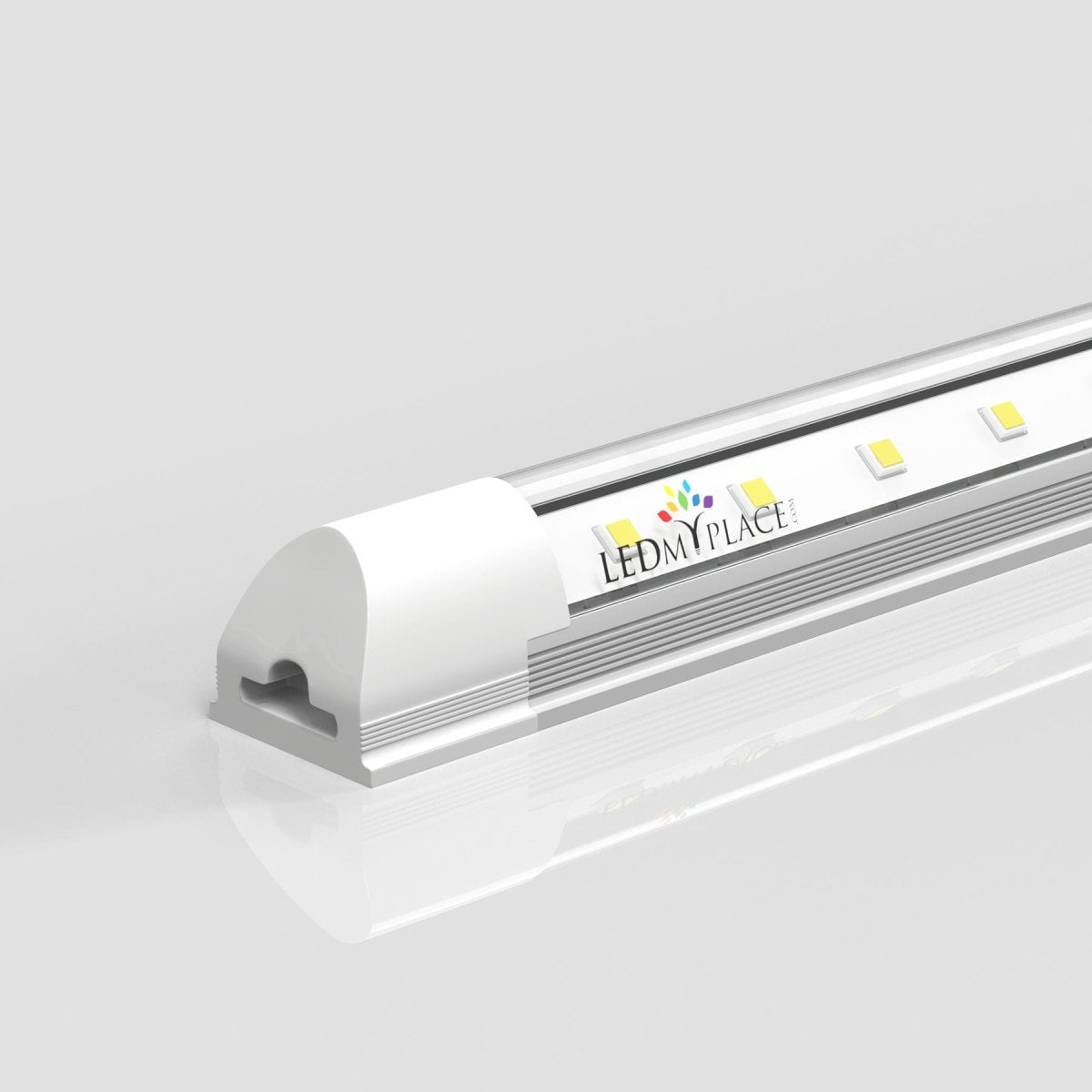
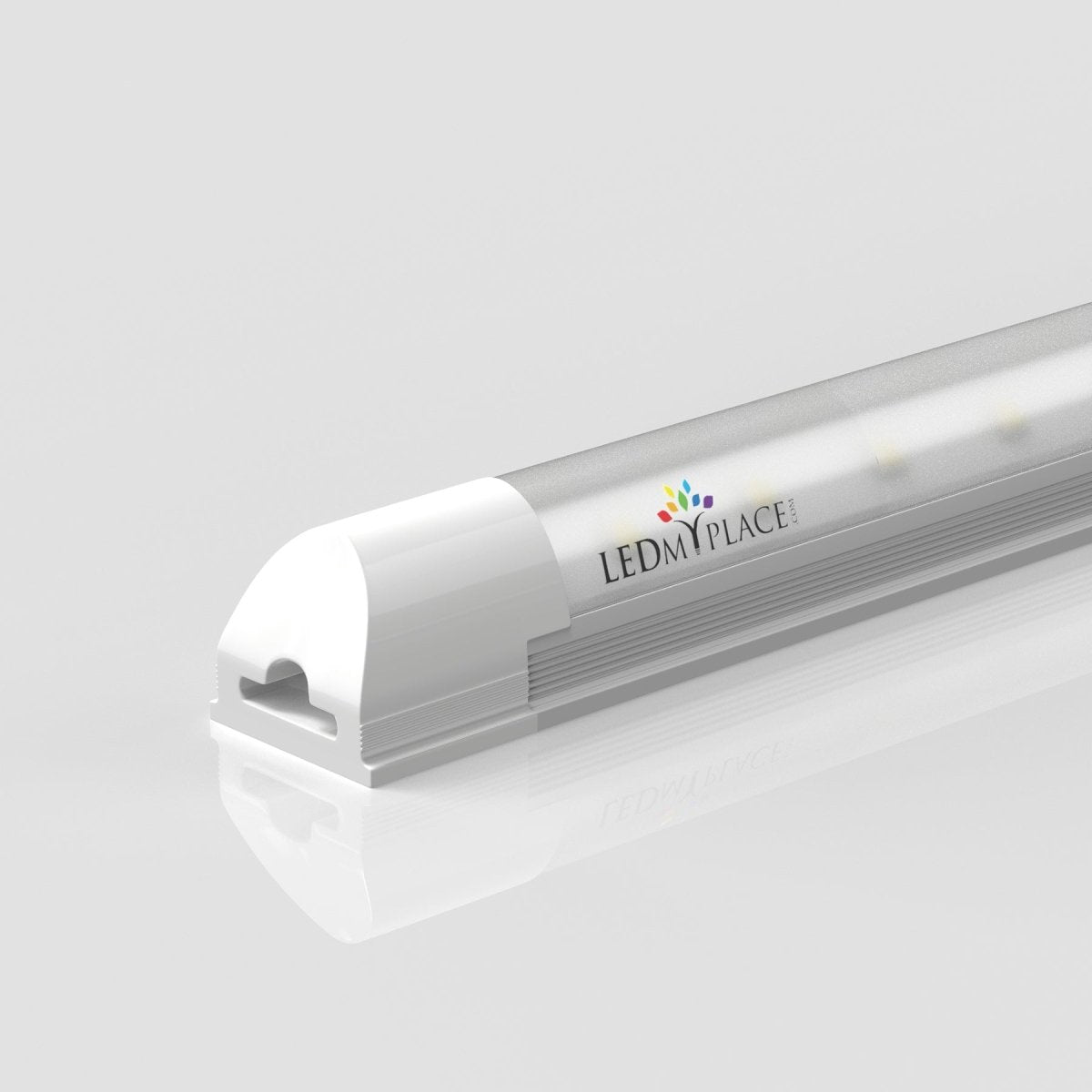
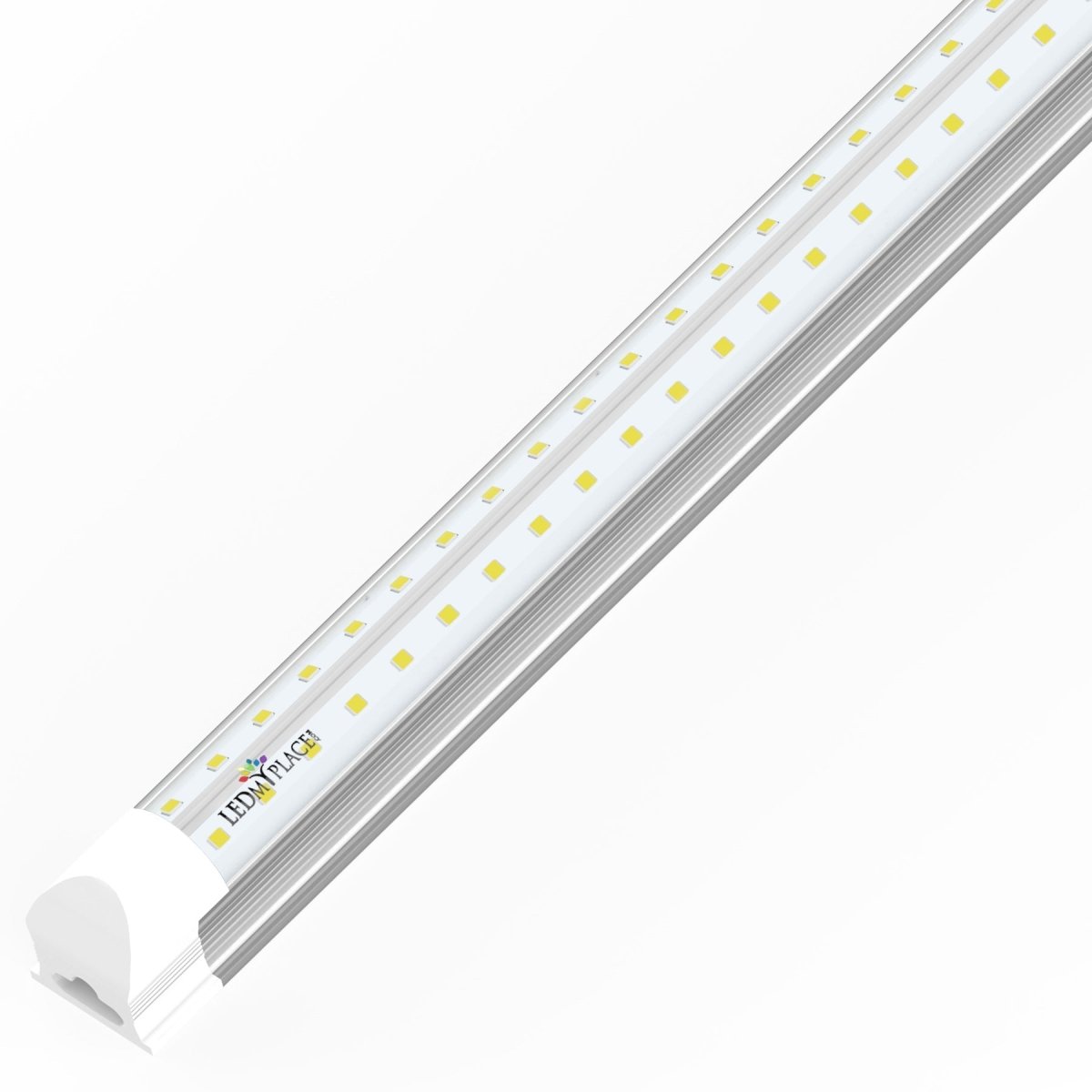
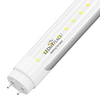
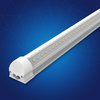
A frosted tube can reduce glare and give a softer appearance. A clear tube may look brighter at the source. V-shaped designs often spread light across a wider area, which can help in open fixtures, coolers, and work zones.
A tube over a narrow bench does not need the same spread as one above a wide garage bay.
Check the beam angle, lens type, and fixture position together. Useful light matters more than a large lumen number.
5. Buying Without Checking Safety Details
 Low prices can look attractive. Still, safety listings and product ratings should not be skipped.
Check the UL and ETL listings. See whether it is suitable for dry, wet, enclosed, cold, and outside use.
Follow the wiring instructions before installing. Whenever you need to remove the ballast or rewire the fixture, seek a qualified electrician.
6. Looking Only at the Price Per Tube
 Compare the full project cost. Ask:
-
Does the ballast need to stay?
-
Will rewiring add labor?
-
How many hours will the lights run?
-
What warranty is included?
-
Can the same model be ordered again?
The power bill may drop after the switch, but the amount will differ from one property to another. It comes down to the tube wattage, number of fixtures, daily use, and the electricity rate in your area.
7. Ordering the Full Quantity Without Testing
 Start by counting every fixture. Note the tube size, voltage, color temperature, wiring style, and quantity in each room.
For a large upgrade, test a small batch first. Install the tubes in a typical portion and check:
-
Brightness
-
Glare
-
Color
-
Fit
-
Startup
-
Light spread
LEDMyPlace Buyer’s Guide for a Better Match
 At LEDMyPlace, review the specifications carefully. Match the lamp to the job instead of choosing by price or appearance alone.
Think about what happens when one of the tubes stops working later. Using the same model in each room makes replacement easier. You will not have to check the wattage, light color, or wiring type every time.
The pack size should match the number of fixtures. A small pack works for one room or a test area. In case of warehouses, stores, garages or workshops, the bulkier package is more suited. Count how many of them you need and leave a bit more.
Product pages can answer many questions, but old fixture labels are just as important. Take a clear photo of the label, ballast, and tube marking before shopping. Those details give you something reliable to compare and can help prevent a costly order based only on memory during the project.
Check the following details:
-
Dimensions
-
Pin style
-
Lumens
-
Wattage
-
Color temperature
-
Voltage
-
Power connection
-
Certifications
-
Warranty
-
Pack size
The LED Integrated Tubes can be used in offices, garages, workshops, stores, warehouses and service centers.
Buy Once, Install With Confidence
It is not necessarily the brightest or the most economical. It is the tube that matches with the fitting, provides the appropriate illumination and can be used safely in that room.
Before buying LED Tube Lights, check compatibility, output, color, beam spread, wiring, ratings, and pack quantity. These checks can reduce returns, delays, and installation problems.
Frequently Asked Questions
Q: Which LED tube light brand is best?
A: The best brand offers clear specs, tested safety standards, dependable performance, and a good warranty. LEDMyPlace provides several options for different fixtures and applications.
Q: Does integrated LED mean it cannot be replaced?
A: In most cases, yes. The LED is built into the fixture, so the light source is not replaced like a regular bulb. The full fixture may need replacement later.
Q: What is the difference between Type A and Type B LED tubes?
A: Type A tubes work with a compatible ballast. Type B tubes connect directly to line voltage and usually require the ballast to be removed or bypassed.
Q: What are the disadvantages of LED tube lighting?
A: Some LED tubes cost more at first and may need rewiring. Others may not work with every ballast, fixture, dimmer, or enclosed space.
Q: What is the negative side of LED lighting?
A: Low-quality LEDs may cause glare, flicker, uneven color, or early failure. Choosing the right brightness, color temperature, and certification helps avoid these issues.