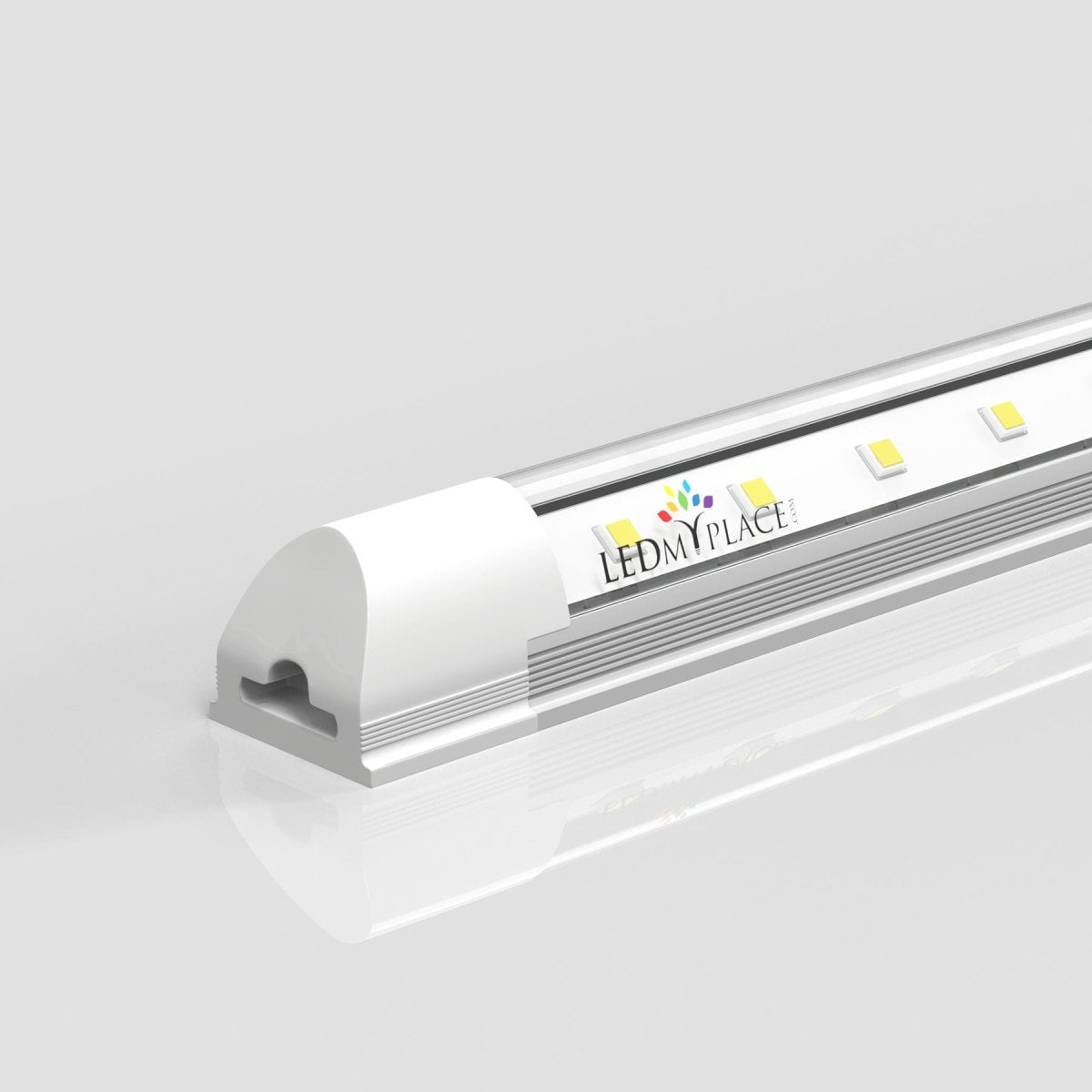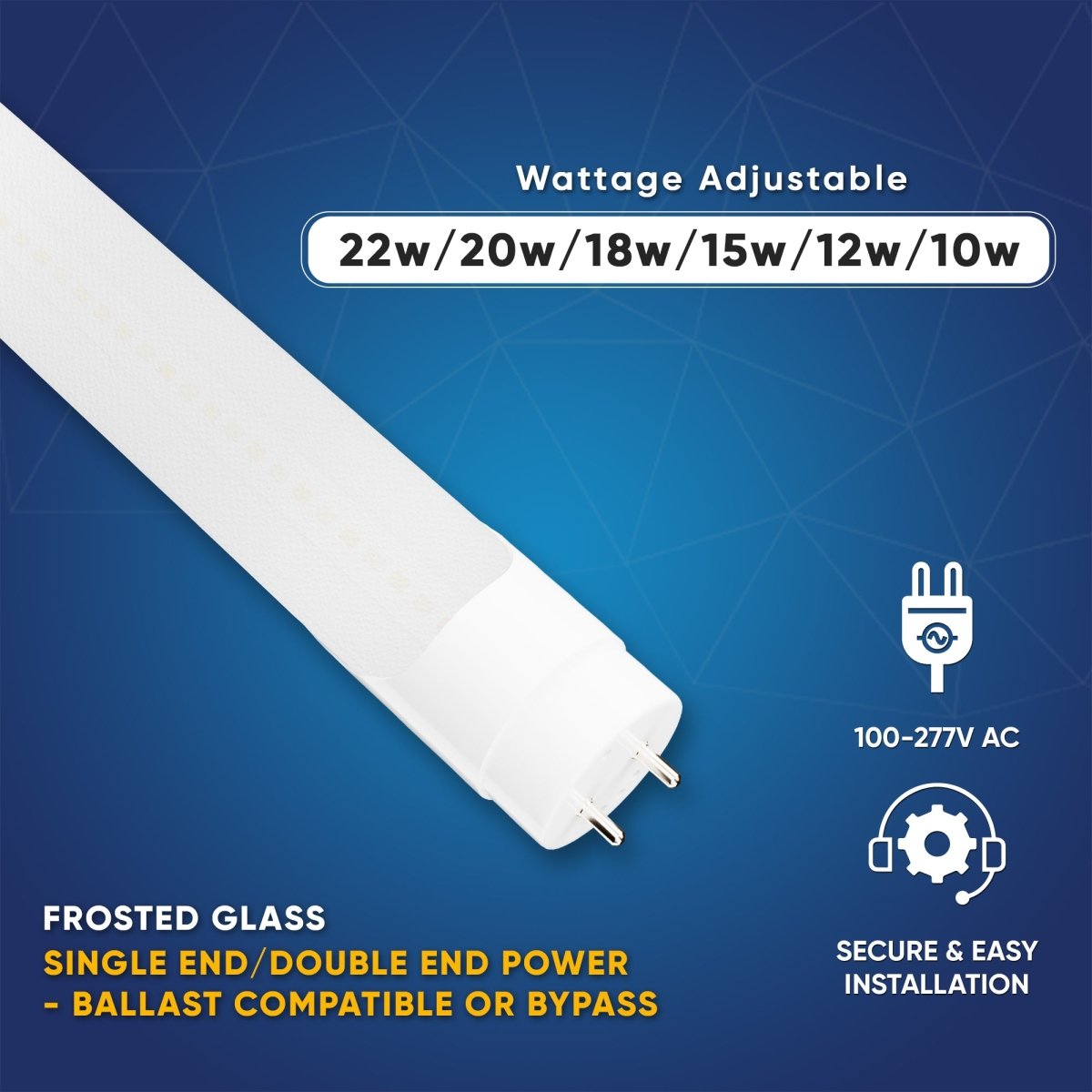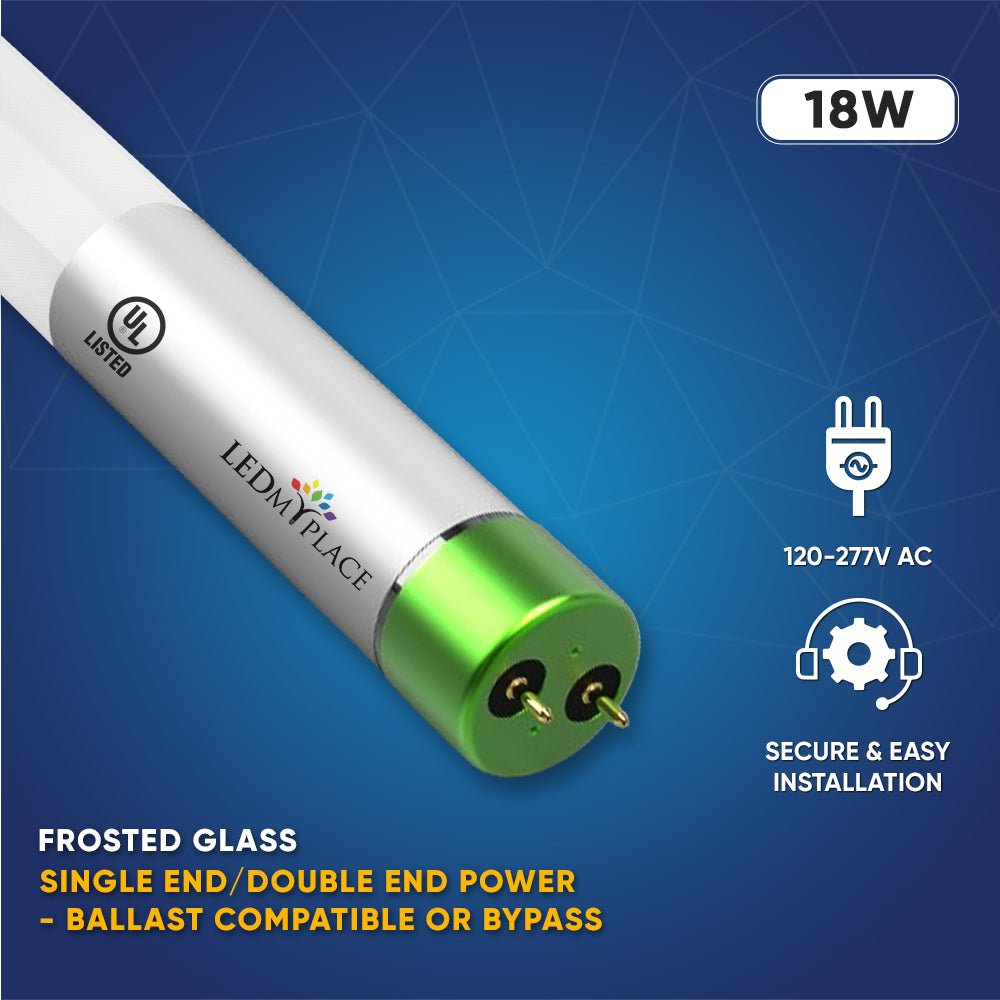


LED tube lights are the best option for office spaces, garages, warehouses, workshops, and schools. These tube lights are preferred over old and flickering fluorescent tube lights.
The switch may look simple, but the right tube depends on more than length alone.
This guide explains what to check before buying and how to approach LED tube light installation with fewer surprises.
Why More Buyers Are Switching to LED Tubes
 There have been fluorescent tubes for many years, but consumers now seek rapid start-up, less energy usage from their lights. LED tubes are ideal. Available LED tubes may provide faster start-up, reduced energy consumption, and extended life compared to many fluorescent bulbs.
They can work well where lights stay on.
Common reasons buyers make the switch include:
-
Lower power use than older fluorescent lighting
-
Fast, full brightness when switched on
-
Less frequent lamp replacement
-
More choices in color temperature and brightness
-
Options for retrofit and direct-wire projects
Know the Difference Between T8 and T5 Tubes
 Tube size is one of the first details to check.
T8 LED Tubular Lights are prevalent in both commercial and domestic fixtures. The diameter of T8 tubing is an inch and its usage is common in offices, garages, stores, and utility rooms.
The T5 LED tubular light has a smaller diameter of about five-eighths of an inch.
Do not assume both sizes will fit the same fixture. Check the lamp holders, tube length, and product specifications before ordering.
LEDMyPlace Buyer’s Guide: What to Check Before You Buy
 Buying the correct tube is easier when you start with the fixture instead of the product page.
First, remove one existing lamp and read the label. Check its length, tube type, wattage, and base. Next, look inside the fixture and identify whether a ballast is present.
Then compare these points:
-
Tube length: Match the fixture size exactly.
-
Base type: Confirm the pins fit the existing lamp holders.
-
Lumens: Consider the fixture's height and the actual amount of light the room requires.
-
CCT: Select a light tone that is appropriate for the area and the tasks being performed there.
-
Voltage: Make sure the tube is made for the power available at the site.
-
Wiring type: See how the existing fixture is wired before choosing the tube.
-
Certification: See the certification provided on the product description.
-
Warranty: In case of large quantities, examine the warranty period.
LEDMyPlace carries options for commercial and everyday lighting needs, making it easier to compare specifications before ordering. The current T8 range is a combination of various products which can be bought for their claimed 50,000 hours of use and five years’ manufacturer’s guarantee.
In the case of busy offices, having identical replacement lamps in similar lighting fixtures will make life easier for those people who manage the building on a daily basis.
Understanding Plug-and-Play, Ballast Bypass, and Hybrid Tubes
 Not every retrofit tube is installed the same way.
Plug-and-play tubes, often called Type A, work with a compatible existing ballast. They can make replacement easier because the fixture may not need rewiring.
Ballast-bypass tubes, also called Type B, connect directly to line voltage after the ballast is removed or bypassed. This removes one older component from the system, but the wiring work must be done correctly.
Hybrid or Type A+B LED Retrofit Tubes can often work with a compatible ballast first and later be direct wired if needed. This can help facilities replacing lamps in stages. LEDMyPlace currently lists hybrid T8 options designed around this retrofit approach.
Always follow the wiring diagram supplied with the exact product.
How to Plan LED Tube Light Installation
 Before beginning, turn off the power supply from the circuit breaker to make sure that the fixture is dead. In case wiring needs to be done, and you are unqualified for working with line voltage circuits, hire an electrician.
For a basic retrofit, the process may include:
-
Confirm the tube type and fixture compatibility.
-
Cut off the lighting circuit's power.
-
Carefully remove the outdated fluorescent light.
-
Check for wear or damage on the wiring and lamp holders.
-
For a direct-wire or ballast-compatible configuration, refer to the manufacturer's diagram.
-
Install the new tube in the correct orientation.
-
Restore power and test the fixture.
Never treat all tubes as interchangeable. Single-ended and double-ended powered tubes can require different wiring.
Choosing the Right LED Tube Light Fixtures
 Sometimes the old housing is damaged or not worth rewiring. In that case, replacing the full LED Tube Light Fixtures may make more sense than retrofitting the existing unit.
These fixtures may also work well in renovations, storage facilities, manufacturing areas, and retail shops where there is a change in lighting layout.
When purchasing, look at mounting height, fixture width, beam spread, lumen output, voltage, and total number of fixtures required in the room.
Commercial LED Tube Lights for Larger Spaces
 Industrial LED tube lights are normally used in areas that require lighting for extended periods of time. For instance, warehouses, shops, garages, offices, and refueling stations normally require more lighting than typical residential areas.
In this regard, pay attention to the lumens as well as to the wattage. Besides, spacing, ceiling height, color temperature, and maintenance should be considered.
It is helpful to have some spare tubes for replacement in case a facility uses the same lamps in several fixtures.
Final Verdict
Choosing LED Tube Lights gets easy when you know what is already installed. Start with the tube size, fixture, ballast, wiring method, brightness, and color temperature. Then compare products that fit those needs.
Good lighting should not create extra work after installation. The right product should fit correctly, provide useful light, and make future maintenance easier.
LEDMyPlace offers tube lighting options for retrofit, replacement, and commercial projects. Compare the specifications carefully, choose the setup that matches your fixture, and make the upgrade with confidence.
Frequently Asked Questions
Q. How can you tell if an LED tube is Type A or Type B?
A: Check the label or product specs. Type A works with a compatible ballast, while Type B is wired directly to line voltage after the ballast is bypassed.
Q. Can fluorescent tubes be replaced directly with LED tubes?
A: Sometimes. A ballast-compatible LED tube can often replace a fluorescent tube directly, but other LED tubes may need rewiring. Always check fixture and ballast compatibility first.
Q. How do you know which tube light to buy?
A: Start with the tube length, base type, fixture, ballast, voltage, and required brightness. Matching these details helps avoid buying a tube that will not fit or work properly.
Q. How should you choose the right LED tube light?
A: Compare lumens, color temperature, tube type, wiring method, and warranty. Also consider where the light will be used and how many hours it will run each day.
Q. Which LED tube light brand is best?
A: The best brand depends on product quality, warranty, certifications, and the exact fixture you have. Choose a trusted supplier with clear specifications and reliable support rather than focusing on brand name alone.