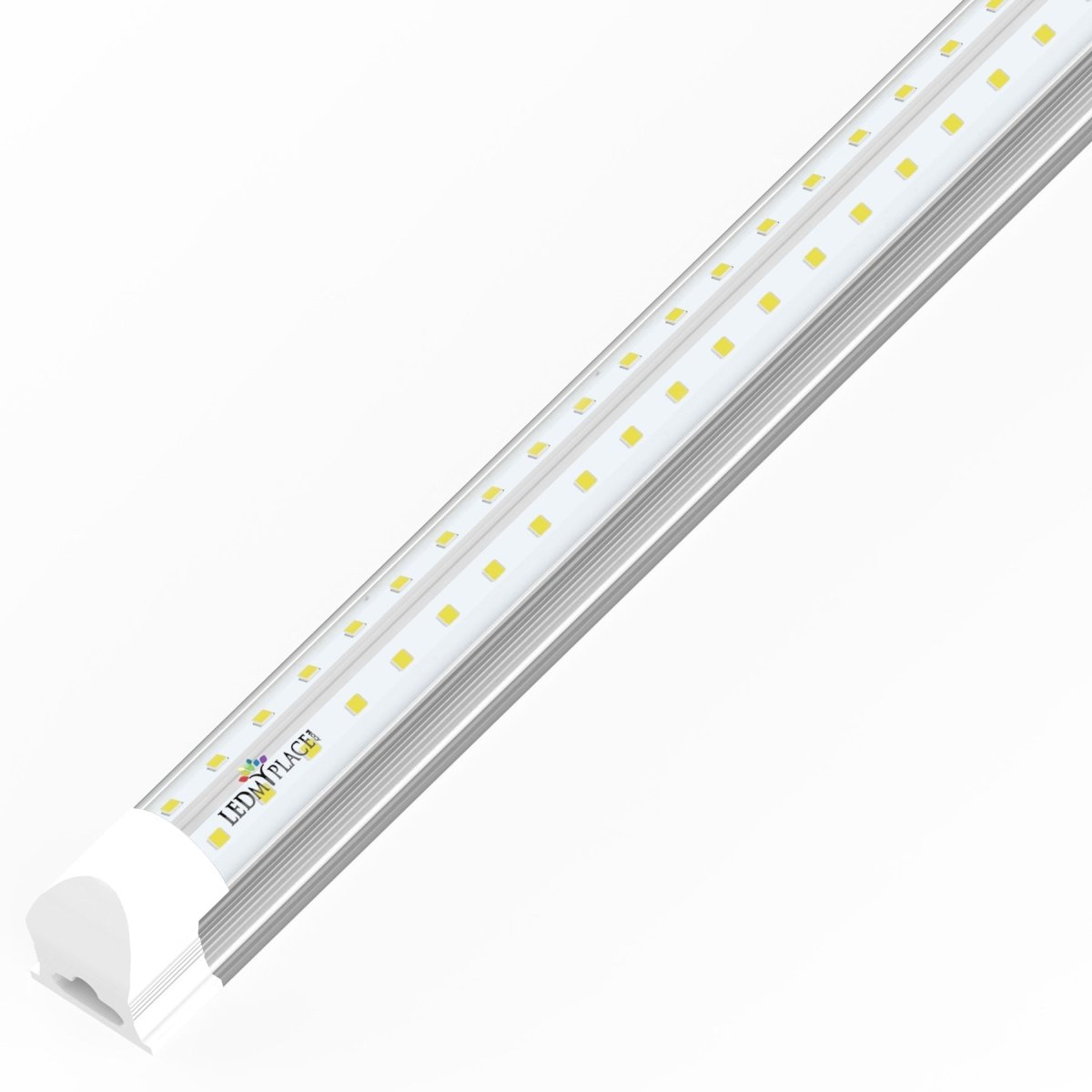


The buying process becomes complicated when one starts comparing the wattage, temperature, wiring, brightness, and fixture compatibility among others. This means that one should not base their decision to buy LED Tube Lights on price alone.
The four feet tube light still works well for offices, garages, stores, warehouses, school buildings, and utility rooms. Consider the following factors before placing an order.
Start With the Right Tube Size and Base
 A tube should fit the fixture you already have. There are many commercially available lighting fixtures that contain four-foot T8 bulbs with G13 bi-pin bases. However, do not make any assumptions about all of the fixtures being alike.
Measure the bulb's length, diameter, and type of base used. Additionally, in purchasing the 4ft LED Tube Lights, you have to consider the product's compatibility with your fixture.
Brightness Matters More Than Wattage Alone
 Wattage does not adequately reflect the brightness of a room, even though it shows how much electricity a lamp uses.
Look at lumens when comparing products. A lower-watt LED can still provide strong usable light when it has good light output. Think about the room as well. Lighting requirements for a storage space may be lower than that of a hectic workshop, warehouse or office.
Before ordering, ask yourself:
-
What is the ceiling height?
-
How much of the space is lit by natural light?
-
Is detailed work done there?
-
Are dark shelves or equipment blocking light?
-
How many existing tubes are in each fixture?
This will help select the appropriate output rather than purchasing according to the watts only.
Choose a Color Temperature That Fits the Space
 The room's color temperature affects how the light appears. Kelvin is used to express it.
Warm light appears soft, whereas cool light appears bright. For many work areas, buyers often compare neutral white and daylight-style options.
With 4 Foot LED Tube Lights, choose one color temperature for the full room whenever possible. The combination of various colors could cause the ceiling to look inconsistent, leading to an awkward patchwork appearance.
Select a color that enables clear vision at work.
Check How the Tube Connects to Your Fixture
 This part matters more than many buyers expect.
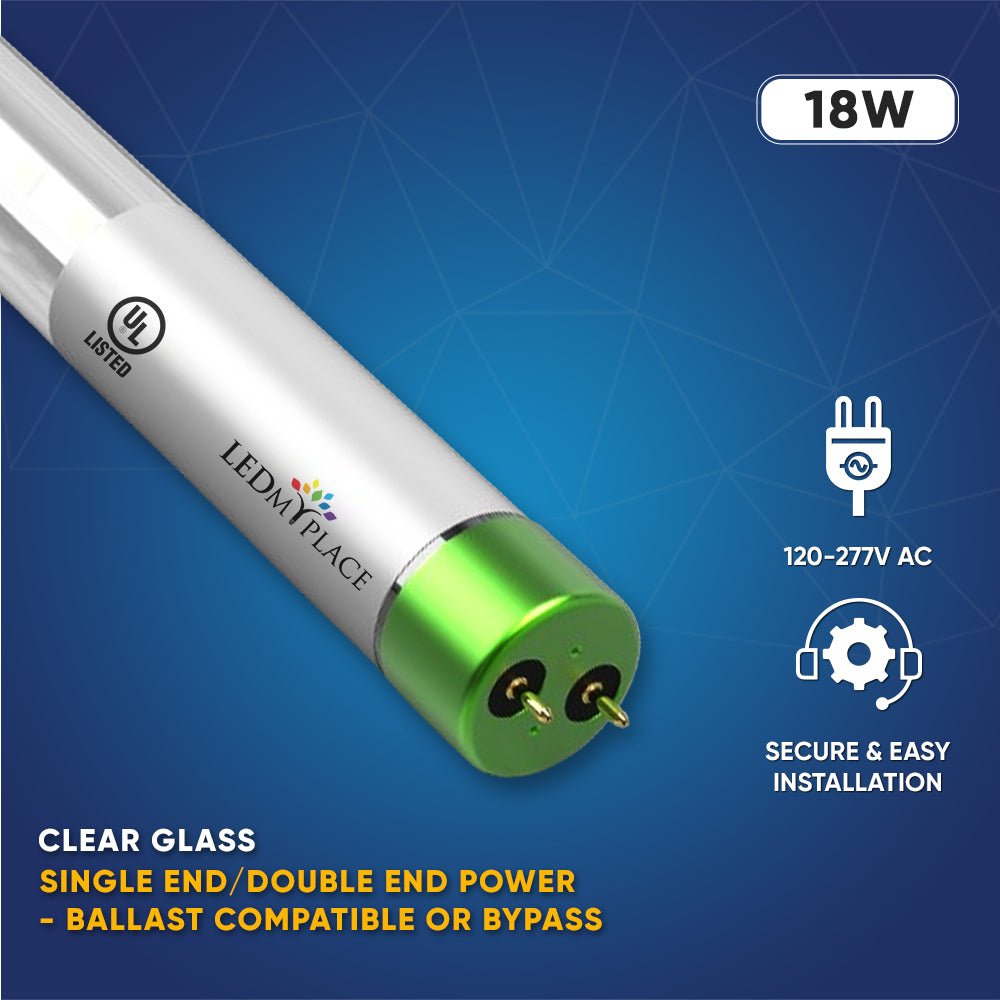
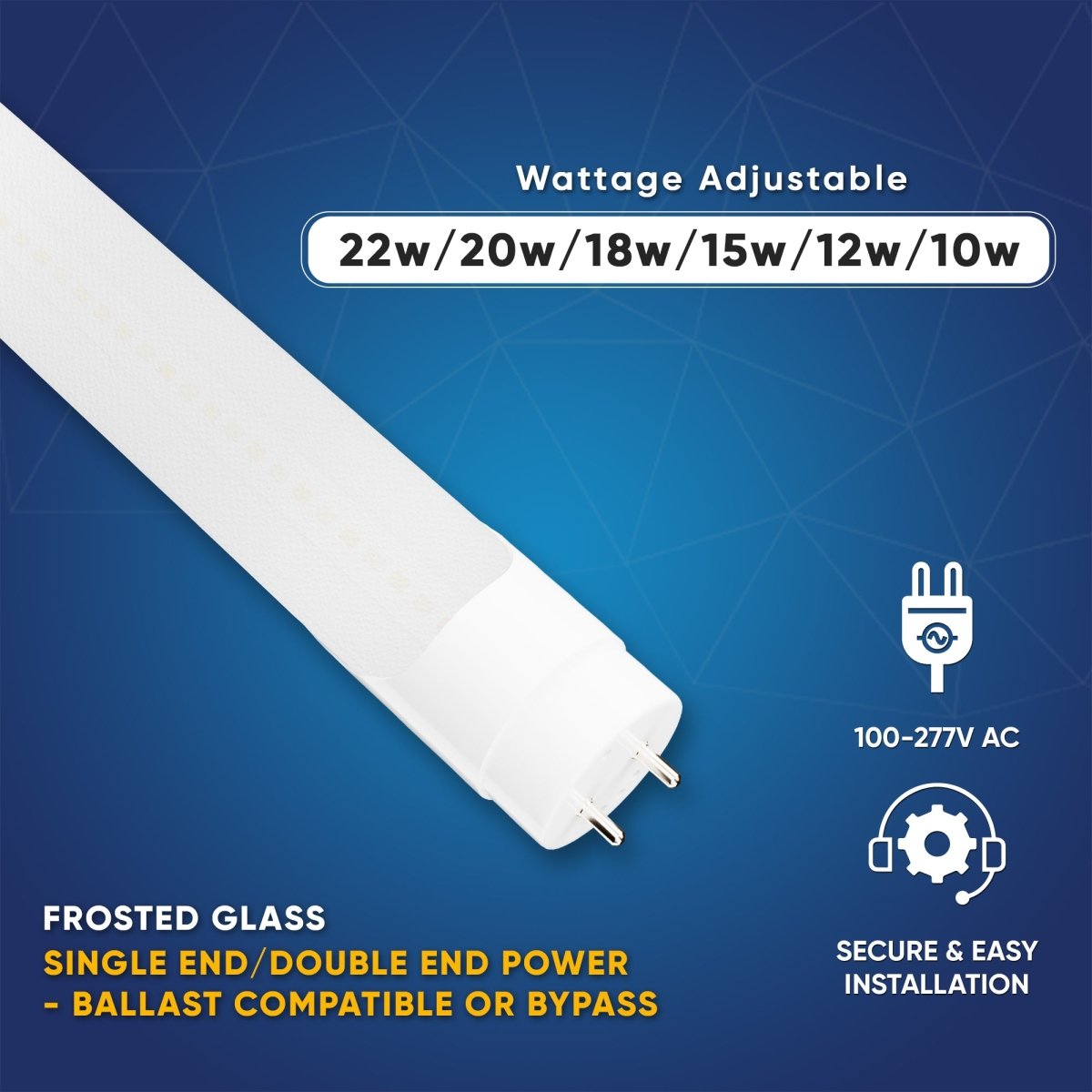
Some LED tubes work with a compatible fluorescent ballast. These are often called plug-and-play or Type A tubes. Others are Type B tubes and require the ballast to be bypassed so the lamp receives power directly. Hybrid options can support more than one installation method.
For those of you thinking about an LED Fluorescent Tube Replacement, don’t place your order until you know what configuration is in place.
There could be an issue if there is an old or wrong ballast for your plug-and-play tube. The direct wire option will not require any ballast but proper rewiring should be done.
Look at Single-Ended and Double-Ended Power
 Direct-wire tubes may receive power from one end or from opposite ends. That wiring detail affects installation.
With single-ended power, line and neutral connect at the same end. With double-ended power, power connections are made across opposite ends of the lamp.
Do not guess based on how the old fluorescent tube was installed. Read the wiring instructions for the exact tube you purchase. The socket type and wiring arrangement must match the lamp.
This is especially important when older LED Tube Light Fixtures are being reused during a retrofit.
Pay Attention to Beam Angle and Light Distribution
 A bright tube is not very useful if the light does not reach the area where you need it.
Check how the lamp spreads light. In open offices or wide work areas, broader distribution can help reduce dark spots. Fixture location is another factor that contributes to light level on lower shelves.
Take into account the lighting fixture itself, and not only the bulb inside. Mounting height, spacing, reflectors, and lenses could all have an impact.
Check Rated Life, Warranty, and Certifications
 Although price matters, it shouldn't be the only factor.
An affordable solution can turn out to be a costly arrangement due to early replacement requirements and poor performance. Ensure that you take into consideration the specifications on the lifespan, warranty, and certification.
This aspect becomes especially significant when dealing with professional applications, where one item may be installed into many lighting fixtures. A small problem repeated across an entire building becomes a large maintenance issue.
For larger buildings, keeping the same tube type and color across matching areas also makes future replacements easier for maintenance teams and helps rooms look more consistent overall.
LEDMyPlace Buyer’s Guide: What to Check Before Ordering
 A good buying process does not need to be complicated. Before adding LED Tube Lights to your cart, compare the details that affect your actual installation.
Check these points first:
-
Tube length and base
-
Fixture and ballast compatibility
-
Plug-and-play or ballast-bypass design
-
Single-ended or double-ended wiring
-
Lumens and wattage
-
Color temperature
-
Input voltage
-
Dimming compatibility, when needed
-
Certifications and warranty
-
Pack size for larger projects
For a business retrofit, count every fixture before ordering. Also note how many tubes each fixture uses. This helps you buy the right quantity and keeps the lighting consistent across the property.
LEDMyPlace gives buyers options for commercial and everyday lighting projects, making it easier to compare specifications before choosing a tube for a retrofit or new setup.
Conclusion
The most suitable 4ft LED Tube Lights will not only be efficient or economical but should also be compatible with the conditions of use.
First off, look into compatibility, light efficiency, color temperature, wiring, rated life, warranty, and other factors. If your plan involves changing fluorescent tubes, begin by inspecting the ballast and fixtures.
Planning before purchasing will save you problems of wrong size tubes, wiring issues, mismatched color, and unnecessary repeated purchases. For buyers planning an LED Fluorescent Tube Replacement, LEDMyPlace can help narrow the choice with product specifications built around real lighting needs.
Frequently Asked Questions
Q. Are 4ft LED Tube Lights better than fluorescent tubes?
A: Yes. They use less power, last longer, and can provide steady light with less maintenance than traditional fluorescent tubes.
Q. Can LED Tube Lights work in old fluorescent fixtures?
A: Some can. Plug-and-play tubes may work with a compatible ballast, while ballast-bypass models require rewiring.
Q. What should I check before buying 4 Foot LED Tube Lights?
A: Check the tube size, base type, lumens, color temperature, wiring method, voltage, and fixture compatibility.
Q. What is the best color temperature for LED Tube Light Fixtures?
A: It depends on the space. Neutral white works well in many offices, while cooler light is often preferred in garages, workshops, and task areas.
Q. Do I need an electrician for an LED Fluorescent Tube Replacement?
A: Not always. Plug-and-play tubes may be simple to install, but ballast-bypass or direct-wire tubes should be installed correctly, preferably by a qualified electrician.